


Explore Immersive Art Experiences

No longer confined to traditional art spaces, immersive art is shaking things up! This fusion of art and technology, along with imagination, is creating interactive playgrounds where the boundaries between artist, artwork, and viewer dissolve. The rise of the immersive art experience invites visitors to step into a world where art is not just observed, but fully lived.
This article is authored by Kyle McCarthy, an experienced author of multiple guidebooks and a contributor to major travel and family publications. Her expertise in immersive art and travel brings valuable insight to this exploration.
Ever wanted to lose yourself in art and enjoy art while becoming part of the creative process? Immersive art offers the chance to fulfill that desire.
With every technological advancement, artistic boundaries are being pushed further. Immersive art installations have become the new frontier, captivating audiences with multisensory experiences that evoke emotions, spark discussions, and linger in memory. These installations expand the boundaries of traditional art, transforming spaces into digital realities and limitless environments for exploration and interaction.
What happens when contemporary artists push the boundaries and art breaks free from the constraints of the ordinary? You get immersive art, a one of a kind world where the norms are rewritten, and imagination knows no bounds. Let’s explore its evolution, diverse forms, and the profound impact it has on those who experience it.
For many, immersive art is among the best immersive experiences, more than just an exhibit—it’s a journey that guides participants through new realms of creativity and self-discovery.
What Is Immersive Art?
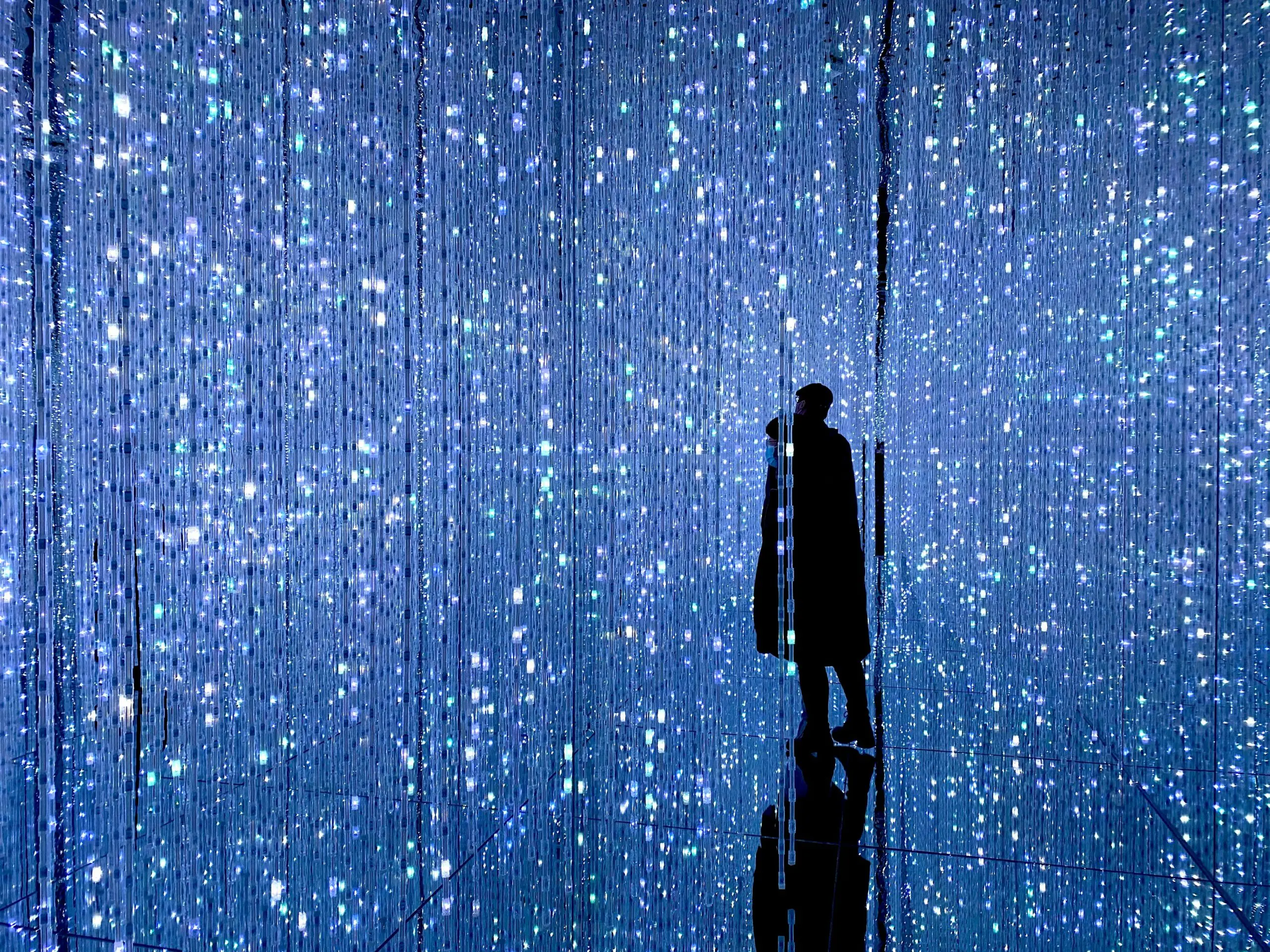
Step into the world of immersive art experience and get ready to have your senses ignited. This captivating form of mixed reality art surrounds you, creating an unforgettable experience that blurs the line between reality and fantasy. As you walk through these immersive spaces, the boundaries disappear, and you become one with the artwork.
Types of Immersive Art
If you thought art was just about paintings, think again. Immersive media art bursts with creativity, from interactive installations that respond to your movements to virtual reality adventures that push the boundaries of reality. Modern frameless immersive art experiences break away from traditional frames and barriers, offering innovative, boundary-breaking installations that fully surround the viewer. Add to that projection mapping, sensory-stimulating environments, and the mind-bending world of psychedelic and underground art. Immersive art also explores abstraction, with galleries featuring maze-like displays of colors and shapes that transform traditional art into interactive, contemporary experiences. VR, AR, and projection mapping are utilized to enhance experiences in art and museums, making them more engaging and transformative.
Interactive Art: Engaging the Audience
Interactive art is redefining the way we connect with creativity, turning every visit into a personal adventure. No longer are artworks something to simply admire from afar—now, users are invited to step into interactive zones where play and participation are at the heart of the experience. These accessible environments encourage everyone, regardless of age or background, to engage with the artwork and become part of the story.
The co-founder of teamLab, Toshiyuki Inoko, believes that interactive art is a powerful tool for building community and fostering connection. As you explore these immersive experiences, you’ll find yourself transported into a world where curiosity leads the way and every step reveals something new. Whether you’re moving through a digital forest that responds to your touch or collaborating with others to shape a living artwork, interactive art challenges traditional boundaries and invites users to discover a vibrant range of possibilities. It’s about more than just looking—it’s about connecting, playing, and becoming part of a blooming creative community.
Benefits of Immersive Art as a Multi Sensory Experience
Kick back and observe, or step up and engage – the choice is yours. Interactive art experiences offer a dynamic realm where creativity meets imagination. Studies show benefits such as inspire wonder, enhanced creativity, reduced anxiety, and a boost in mental well-being for those who fully participate. These immersive experiences not only foster a sense of community by bringing participants together in collaborative and inclusive environments, but they also reflect and influence changes in society by shaping how we interact, connect, and express ourselves in an increasingly digital world. Additionally, technologies like VR have been shown to improve visitor satisfaction and increase the likelihood of return visits.
Interactive Art vs. Immersive Art
Understanding the Difference
Interactive art and immersive art are two captivating forms of contemporary art that have taken the world by storm, each offering unique ways to engage with creativity. While both forms invite viewer participation, they do so in distinct manners.
Interactive art is all about participation. It requires the viewer to engage directly with the artwork, often using technology, sensors, and algorithms that respond to actions. Imagine installations that change color when you touch them or digital art that evolves based on your movements. This dynamic interaction creates a constantly shifting experience, making each visit unique.
On the other hand, immersive art surrounds you, creating an all-encompassing environment that engages multiple senses. Think of stepping into a room where projections cover every surface, or donning a VR headset to explore a fantastical world. Immersive art often involves large-scale installations, virtual reality, and mixed reality experiences that transport you to new realms, blurring the lines between reality and imagination.
How Immersive Art Differs from Traditional Art
Unlike a painting on a wall or a sculpture on a pedestal, immersive art invites you to step inside the artwork. It breaks down the barriers between artist and audience, fostering a more personal and meaningful interaction. Immersive art provides a new lens for experiencing and interpreting art, allowing viewers to engage with creative works from a fresh perspective. Many interactive art spaces aim to break down barriers between visitors and artists by creating environments where every participant can contribute. Often large-scale and site-specific, immersive art transforms entire spaces into living artworks.
The Global Immersive Art Scene
The immersive art movement isn’t just a local phenomenon—it’s a global adventure, expanding rapidly across continents and cultures. From bustling metropolises to hidden gems, new locations are popping up that offer visitors the chance to step into interactive, technology-driven worlds. These experiences harness the power of VR, AR, and digital innovation, making art more accessible and engaging for users everywhere. Whether you’re in Asia, Europe, or beyond, you’ll find immersive art experiences that challenge your senses, spark your curiosity, and invite you to play, connect, and explore. The global scene is blooming with creativity, offering a range of adventures that bring people together and redefine what it means to interact with artwork.
Immersive Art in Asia
Asia is at the forefront of the immersive art revolution, with cities like Tokyo and Seoul leading the charge. In Tokyo, the renowned teamLab Borderless museum invites visitors to lose themselves in a mesmerizing world of digital artwork and interactive zones. Here, in the van gogh exhibition every step you take unlocks new surprises—walls bloom with color, and your movements become part of the ever-changing canvas. One of the museum’s most beloved features is the EN TEA HOUSE, where guests can sip a beverage and watch virtual flowers bloom in their cups, creating a magical, multisensory experience. The use of VR and AR technology throughout the museum means you’re not just looking at art—you’re transported inside it, challenged to engage your curiosity and creativity at every turn. South Korea is also home to innovative immersive experiences, with interactive exhibitions that encourage visitors to connect, play, and become part of the living artwork.
Immersive Art in Europe
Europe’s immersive art scene is thriving, with cities like Paris, London, and Bordeaux offering a vibrant range of experiences for art lovers and adventurers alike. Bordeaux’s Bassins des Lumières stands out as a digital art center where visitors can wander through vast, interactive installations and become enveloped in light, sound, and movement. The center is home to a dynamic calendar of pop-ups, festivals, and special events, ensuring there’s always something new to discover. In Paris, immersive art experiences blend tradition with innovation, featuring activities and events that invite groups and individuals to interact with artwork in fresh, exciting ways. The use of AR and MR technology across these locations allows guests to step beyond the ordinary, making each visit a unique and memorable immersive experience. Whether you’re exploring a festival, joining a group activity, or simply wandering through a pop-up, Europe’s immersive art destinations offer a home for creativity, connection, and fun.
Immersive Art in the Americas
Across the Americas, immersive art experiences are expanding at an exciting pace, transforming cities into hubs of creativity and innovation. From the ever-evolving Meow Wolf universe in the United States to the colorful street art scenes of South America, the region offers a dynamic range of interactive exhibitions and events. Major cities like New York City, Chicago, and Boston are at the forefront, each location featuring immersive art experiences that captivate visitors and locals alike.
The Boston location of the WNDR Museum, for example, features a diverse range of interactive artworks that invite guests to explore, play, and engage with the exhibits in new ways. In Chicago, immersive events and installations are constantly popping up, offering fresh adventures for art lovers. New York City continues to be a global leader, hosting a variety of immersive exhibitions and events that showcase the latest in experiential art. As the scene continues to expand, visitors can look forward to discovering even more innovative features, interactive installations, and unforgettable immersive art experiences throughout the Americas.
Top Immersive Art Experiences in the United States
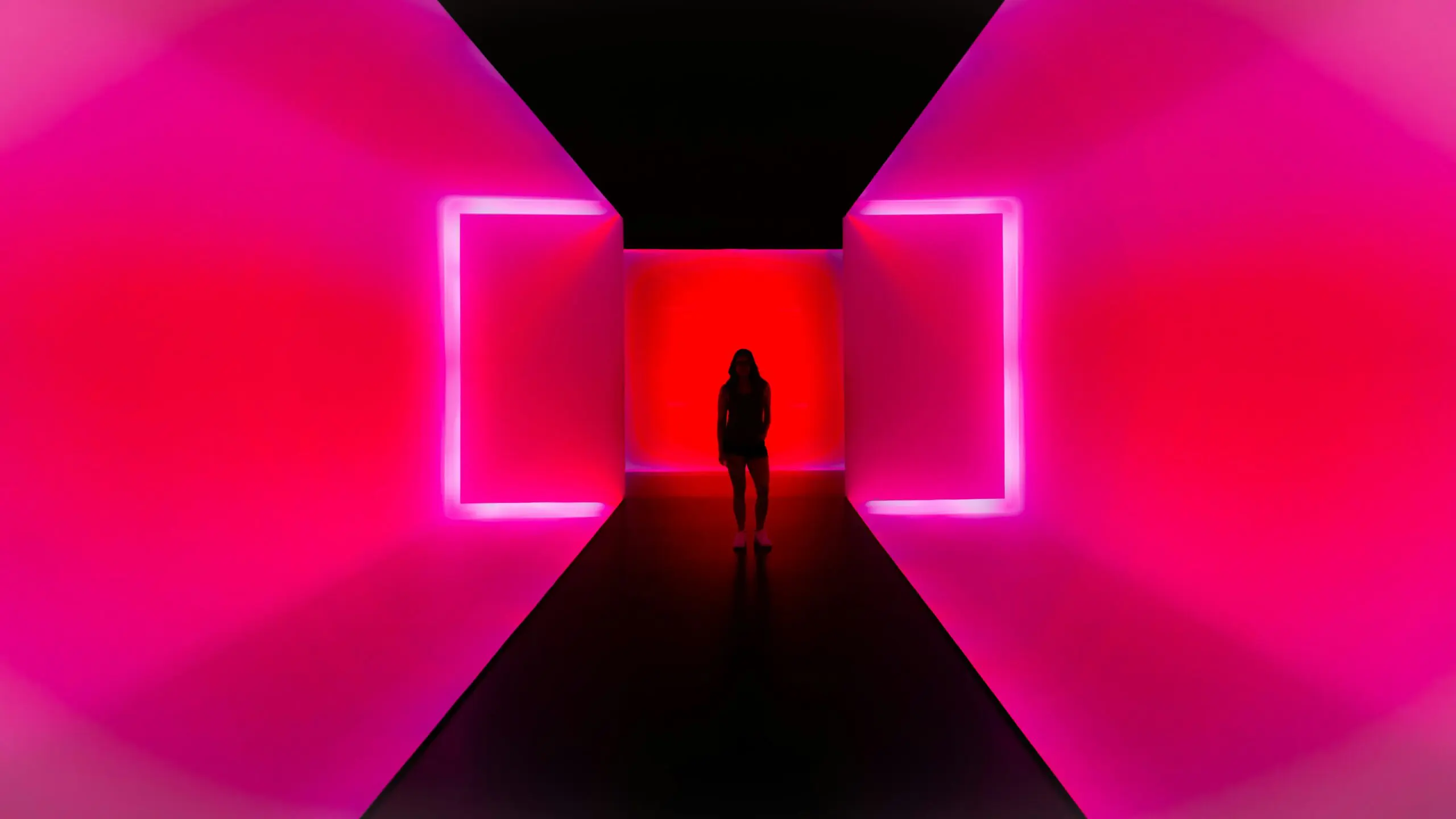
Unleash your curiosity and explore some of the largest and most captivating immersive art experiences in the U.S., with major venues in Chicago, New York City, Boston location, Texas, Scottsdale, and DC, as well as international destinations like Germany and the UK. These immersive exhibitions are designed to engage family and visitors alike, offering family-friendly installations and special event showings for groups. The significance of location enhances the appeal, with each site carefully chosen to maximize the impact of the art. Artworks are presented through innovative showings that use vibrant colour and multisensory elements, such as the iconic starry night by Van Gogh. For example, the Théâtre des Lumières in Seoul, South Korea, offers an immersive art exhibition that captivates visitors with its innovative displays, and since its opening date, it has continued to attract audiences from around the world.
Meow Wolf's Omega Mart in Las Vegas
Step into a surreal supermarket where nothing is quite what it seems. As part of the larger Meow Wolf universe, Omega Mart expands on the brand’s interconnected storytelling and creative themes. With secret portals, secret passageways, and hidden rooms, it’s like a choose-your-own-adventure game come to life. Learn more at Meow Wolf Omega Mart.
Superblue Miami
This groundbreaking art space features large-scale installations by artists like James Turrell and teamLab. The vivid use of colour in the incredible art immersive installations creates powerful emotional reactions and enhances viewer engagement. Superblue Miami is a family-friendly destination, offering interactive experiences suitable for visitors of all ages. The venue also hosts special events, making it an ideal spot for unique gatherings. Discover more at Superblue Miami.
LUME Indianapolis
Experience the works of Vincent van Gogh like never before, with floor-to-ceiling projections showing his iconic paintings, including a stunning immersive presentation of ‘starry night’ that brings his masterpieces to life. It’s like stepping inside a dream. The immersive exhibit, Van Gogh: The Immersive Experience, opened in July 2021, and has sold over 5 million tickets globally, with over 5 million tickets sold in the US alone. Visit LUME Indianapolis for details.
Wonderspaces and WNDR Museum
Two stellar examples of interactive art experiences are Wonderspaces and the WNDR Museum, both of which blur the boundaries between art and technology in their own unique ways.
Wonderspaces is a traveling art exhibit that brings together a collection of interactive and immersive art installations. Each piece is designed to engage viewers, encouraging them to connect with the art and with each other. From light installations that respond to your movements to VR experiences that transport you to another world, Wonderspaces offers a dynamic and ever-changing art experience.
In contrast, the WNDR Museum in Chicago offers a more permanent home for interactive and immersive art. This museum combines art, science, and technology to create a multi-sensory experience. Visitors can explore rooms filled with interactive art installations that respond to touch, sound, and movement, creating a deeply engaging and immersive experience. Whether you’re stepping into a room of infinite mirrors or interacting with digital art that reacts to your presence, the WNDR Museum offers a unique blend of art and technology.
The Role of Technology in Immersive Art
The avant-garde of immersive art is being written by visionary artists who dare to push the envelope. By harnessing the potential of virtual reality, artificial intelligence, and other trailblazing technologies, they’re crafting immersive digital art experiences that seamlessly merge the tangible and intangible. These technologies allow immersive art to expand beyond traditional boundaries, creating larger, more autonomous, and boundaryless experiences that transform the space for interactive engagement.
Virtual Reality in Immersive Art
Immersive art has entered a new era thanks to virtual reality. With a VR headset, you can step into stunning digital environments that feel eerily lifelike. These VR experiences offer a journey through imaginative worlds, guiding you through emotional and sensory explorations. Artists like Laurie Anderson and Marina Abramović have pushed the boundaries of digital technology in this medium, creating groundbreaking VR experiences that transport you to unexpected territories.
Augmented Reality (AR) and Mixed Reality (MR) in Art
Augmented Reality (AR) and Mixed Reality (MR) are revolutionizing the art world, offering immersive experiences that allow visitors to step beyond the physical and into the digital. These cutting-edge technologies enable artists to create artworks that blend reality with virtual elements, inviting users to interact with and influence the art in real time.
In Germany, the Port Des Lumières exhibition uses AR and MR to transport visitors into mesmerizing environments filled with vibrant colors and dynamic patterns. Scottsdale’s Wonderspaces also features a range of AR and MR experiences, where guests can explore interactive artworks that respond to their presence and actions. These immersive experiences offer a new way to engage with art, making each step through the exhibition a unique journey. As AR and MR continue to evolve, the range of features and possibilities for immersive art will only grow, promising even more innovative and captivating adventures for art enthusiasts everywhere.
Projection Mapping Techniques
Think of projection mapping as a magical brush that paints any surface with vibrant visuals. By using vivid colour, projection mapping enhances the immersive quality of art, creating emotional impact and drawing viewers deeper into the experience. Artists use this technology to transform ordinary spaces into immersive art masterpieces. Companies like Immersive craft stunning projection-mapped experiences that leave a lasting impression.
Interactive Art Piece Installations and Sensors
Immersive art experiences are getting more sophisticated by the day, thanks to innovative uses of sensors and interactive tech. For example, motion tracking lets art installations respond to your movements instantly, making the experience feel incredibly immersive. And that’s not all – add in touch sensors, sound input, and biometric data, and you’ve got an art form that’s highly responsive and dynamic.
Famous Immersive Art Collectives and Artists
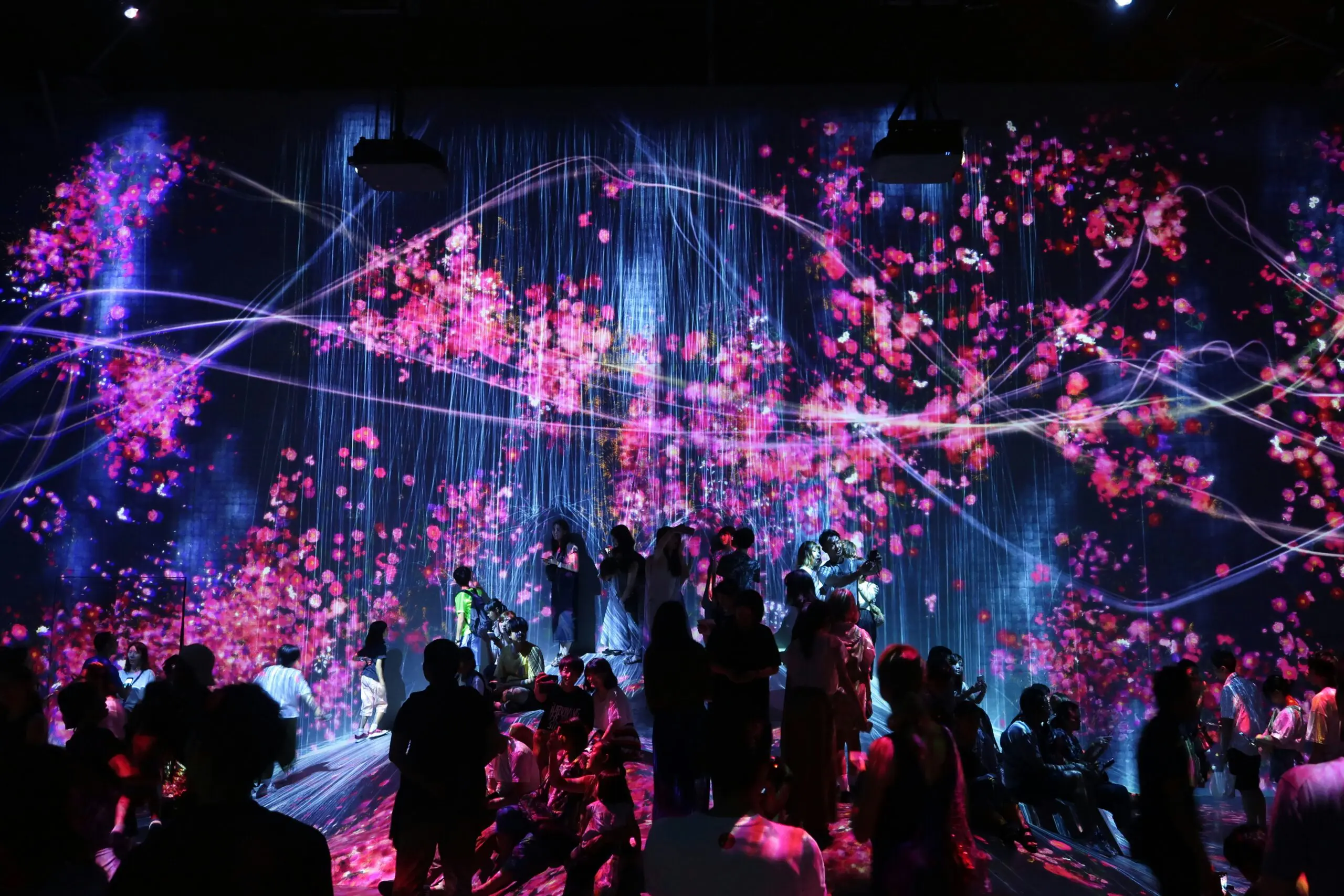
TeamLab is a renowned collective of artists, programmers, engineers, and designers, co-founded by Toshiyuki Inoko. Their passion for blending art, technology, and nature drives their innovative installations, which have captivated audiences worldwide. Many of TeamLab’s members have backgrounds in film, digital media, and experiential design, contributing to the collective’s cinematic approach to immersive environments. As authors of numerous articles and publications, TeamLab’s founders and team members have established themselves as thought leaders in the field of digital art.
Meow Wolf's Unique Approach
Meow Wolf, a boundary-pushing art collective, has perfected the art of immersive storytelling. Their sprawling installations are a treasure trove of hidden clues and secret rooms, transporting visitors to new dimensions. Each attraction is part of the larger Meow Wolf universe, an interconnected world where creative themes and stories unfold across different locations. Explore their enchanting world and uncover the magic for yourself.
TeamLab's Digital Wonderlands
Imagine stepping into a world where art knows no bounds. Japanese art collective teamLab masterfully crafts immersive digital installations that react to every move you make. Many of their works explore abstraction, featuring maze-like displays of colors and shapes that transform traditional art into interactive, contemporary experiences. Their magnum opus, teamLab Borderless in Tokyo, is an interactive wonderland that dissolves the line between artist and observer.
James Turrell's Light Installations
If we’re lucky, we stumble upon artists like James Turrell, who rearrange the boundaries of our reality. His groundbreaking installations converge color and light, inducing a state of mindfulness in the viewer. The Ganzfeld series stands out, as if a bottomless pit of pure color, rearranging our senses forever.
Es Devlin's Immersive Stage Designs
Es Devlin‘s stage designs will blow your mind – she effortlessly merges the lines between performance and set, using a mix of projection mapping, mirrors, and other immersive elements to create shows that will leave you breathless. Her passion for immersive stage design drives her to continually push creative boundaries. From Beyoncé’s concert tours to productions at the Royal Opera House, and even notable work in film projects, Devlin’s innovative designs have wowed audiences worldwide.
Leonardo da Vinci: The Immersive Experience
For a truly transformative immersive art experience, look no further than Leonardo da Vinci: The Immersive Experience. This exhibit combines art, science, and technology to bring the genius of Leonardo da Vinci to life in a way you’ve never seen before.
Imagine walking into a space where da Vinci’s masterpieces are projected on a grand scale, surrounding you with his iconic works. The exhibit features large-scale projections, interactive elements, and virtual reality experiences that transport you into the world of Leonardo da Vinci. You can explore his inventions, step inside his paintings, and even interact with his sketches in a mixed reality environment.
This immersive art experience engages multiple senses, including sight, sound, and touch, creating a multi-sensory journey through da Vinci’s mind. The interactive art pieces respond to your actions, making each visit a unique and dynamic experience. Whether you’re a fan of art, history, or technology, Leonardo da Vinci: The Immersive Experience offers a captivating blend of all three, providing a deeper understanding and appreciation of one of history’s greatest minds.
In conclusion, while interactive art requires your participation to complete the artistic experience, immersive art surrounds you, creating an all-encompassing environment that engages multiple senses. Exhibits like Wonderspaces, the WNDR Museum, and Leonardo da Vinci: The Immersive Experience showcase the incredible potential of these art forms, blurring the lines between art and technology and offering unforgettable experiences.
Art and Entertainment: Where Worlds Collide
The fusion of art and entertainment has given rise to a new era of immersive experiences, where creativity and fun go hand in hand. Today’s immersive art exhibitions and interactive pop ups challenge visitors to rethink what art can be, offering a playful and thought-provoking blend of innovation and spectacle.
Step into the En Tea House, where you’re invited to enjoy a beverage while surrounded by blooming digital artworks—a tranquil escape that sparks curiosity and contemplation. In London, the Frameless exhibition features a range of interactive and immersive artworks that challenge perceptions and invite guests to become part of the creative process. Across locations like NYC, Paris, and Bordeaux, immersive art experiences are expanding rapidly, with festivals, pop-ups, and special events that cater to every taste and interest.
Whether you’re seeking a fun group outing, a challenging solo adventure, or a family-friendly activity, these immersive experiences offer something for everyone. With each new location and event, the boundaries between art and entertainment continue to blur, inviting visitors to find their own path through a world of wonder, innovation, and connection. So, get ready to be transported—step into the next immersive art adventure and see where your curiosity takes you!
The Future of Immersive Art
The immersive art community is excited about the future, eagerly anticipating new developments and innovative experiences that will continue to push boundaries.
Permanent Immersive Art Museums
Step into the immersive art movement, where experiential exhibits are becoming a staple in permanent museum collections. AREA15 in Las Vegas and ARTECHOUSE, with its Boston location being the largest of its kind, as well as sites in New York, Miami, and Washington D.C., are leading the charge, offering a canvas of thousands of square feet for artists to weave their creative magic.
Permanent immersive art museums can also be found in major cities such as Chicago, New York City, NYC, DC, Texas, Scottsdale, Germany, and the UK, each contributing to the global landscape of innovative, multisensory experiences.
Collaborations Between Artists and Technology Companies
Picture this: digital art that wraps you in its world, so realistic you forget what’s real. This futuristic fusion is now a reality, thanks to artistic pioneers partnering with Microsoft and NVIDIA. The outcome? Breathtaking, genre-bending digital art that ignites the imagination and inspires the senses.
Immersive Art as a Tool for Education and Social Change
Imagine being submerged in an underwater world, surrounded by the devastating effects of climate change. That’s exactly what immersive art can do – bring us face-to-face with the reality of environmental degradation. The Underwater Museum in Mexico is a potent example of this, bridging the gap between awareness and action. Immersive technologies help create links between eras and amplify emotions, making the experience both educational and deeply moving. Immersive art not only educates but also reflects and influences changes in society, shaping how we perceive and respond to global challenges. By fostering a sense of community, these experiences encourage collective engagement and collaboration among artists and visitors alike.
The immersive art scene is about to get a whole lot more exciting. With artists constantly pushing the limits, we’re in for a treat – mind-blowing experiences that’ll leave us questioning reality. Whether we’re transported to a digital fantasy world or stepping into a living, breathing painting, one thing’s for sure: immersive art is here to stay, and it’s about to change the game.
Conclusion
Immersive art has the power to transform the way we experience and interact with art. It invites us to step into a world of wonder, where the boundaries between reality and imagination dissolve. Through cutting-edge technology and in an interactive museum, boundless creativity, immersive art installations transport us to new realms of perception and emotion., offering a journey that guides participants through emotional, artistic, and conceptual explorations.
To label immersive art as simply ‘innovative’ would be an understatement. Take, for instance, the transportive experiences crafted by Meow Wolf and teamLab – these masters of immersive art are reimagining the way we engage with creativity. The first digital art museum by Culturespaces opened at Atelier des Lumières in April 2018, marking a significant milestone in the evolution of immersive art. Located in a transformed 19th-century foundry, the Atelier des Lumières in Paris hosted over 1.2 million visitors in its opening year, attracting art lovers and travel enthusiasts from around the globe.
In immersive art, the aim is to educate, energize, and catalyze change. Artists bring critical issues to life by crafting fully immersive environments that challenge, inspire, and transform those who experience them, driven by a deep passion for creativity, cultural exploration, and personal expression.
Art is about to get a whole lot more immersive. With technology racing ahead, we’re on the brink of a new era where immersive art museums become the norm, artists team up with tech innovators, and this cutting-edge art form continues to expand, breaking traditional boundaries and transforming the way we learn and grow.
Art has never been more hands-on than it is today. When you stumble upon an immersive art installation, don’t be shy – jump in, explore, and let the art envelop you.
Frequently Asked Questions About Immersive Art
What is immersive art and how does it engage the senses?
Immersive art, often referred to as an immersive art experience, is a multisensory journey that surrounds the viewer with sound, visuals, light, and often touch or motion. In these installations, visitors can walk through the space, engaging directly with the art as active participants rather than passive observers.
How is immersive art different from traditional art forms?
Unlike paintings or sculptures viewed from a distance, immersive art invites you to step inside the artwork. An immersive exhibition, for example, is a large-scale, interactive art installation that uses projection mapping, virtual reality (VR), and other multimedia elements to fully engage visitors, creating a sensory-rich and visually stunning experience. This breaks the fourth wall and offers a more engaging experience than traditional art.
Where can I experience immersive art in the United States?
You can explore immersive art at venues like Meow Wolf (Las Vegas, Santa Fe, Denver), Superblue Miami, ARTECHOUSE in New York and Washington D.C., and LUME Indianapolis. Superblue Miami, which opened to the public on the date of May 2021, features an experiential art environment spread across 50,000 square feet. The unique location of each venue enhances the authenticity and impact of the immersive experience, making them must-visit destinations for locals and visitors alike. These destinations are known for hosting special events, including private and corporate gatherings, and offer family-friendly immersive art experiences that engage both children and adults. They combine cutting-edge technology with artistic vision to create unforgettable installations.
How does technology enhance immersive art experiences?
Artists use projection mapping, motion sensors, VR, and AI to craft environments that react to your movement and presence. These innovations deepen emotional impact and interactivity, enhancing how we display art turning art into a living, evolving experience.
What impact does immersive art have on visitors?
Immersive art can inspire creativity, reduce anxiety, and offer new perspectives on social or environmental issues. It leaves a lasting emotional impression by creating a deeper connection between the viewer and the artwork. On a broader scale, immersive art can influence society by shaping collective consciousness and encouraging new forms of social interaction and awareness.