

10 самых вдохновляющих примеров Видеомэппинга, которые помогут вам найти творческие идеи
Видеомэппинг, или пространственная дополненная реальность, превращает физические объекты в интерактивные дисплеи за счет привязки цифрового контента к конкретным очертаниям объекта. Независимо от того, являетесь ли вы организатором мероприятий, стремящимся произвести неизгладимое впечатление, цифровым художником, исследующим новые поверхности, или владельцем площадки, желающим преобразить своё пространство, изучение реальных примеров — это самый быстрый путь к творческим прорывам. В этом руководстве мы рассмотрим десять примеров Видеомэппинга — от масштабных инсталляций до уютных домашних установок — и покажем, как адаптировать эти концепции для ваших собственных проектов.
Краткое содержание: от вдохновляющих примеров до практических идей
Изучение реальных примеров Видеомэппинга — лучший способ найти творческие идеи для ваших собственных мероприятий и инсталляций. Хотя многие известные примеры требуют огромных бюджетов, индивидуальной 3D-анимации и сложного программирования, лежащие в их основе концепции можно легко адаптировать для проектов меньшего масштаба. лучшее программное обеспечение для видеомэппинга позволяет авторам мгновенно воплощать эти идеи в области Видеомэппинга в жизнь, предоставляя удобный рабочий процесс, не требующий программирования, и встроенный визуальный контент.
Как мы выбрали самые вдохновляющие примеры Видеомэппинга
Мы проанализировали десятки примеров Видеомэппинга со всего мира, чтобы отобрать проекты, которые служат источником подлинного творческого вдохновения. Фестиваль «Vivid Sydney» превращает Сиднейский оперный театр в динамичные холсты, а «Фестиваль огней» в Лионе (Франция) славится индивидуально разработанными архитектурными трансформациями с использованием Видеомэппинга. Эти примеры послужили ориентирами наряду с нашими окончательными выборами.
В число наших критериев отбора вошли:
- Творческие инновации и визуальное воздействие, раздвигающие границы
- Качество технического исполнения и точность видеомэппинга
- Возможности масштабирования с учетом различных бюджетов и площадок
- Влияние на отрасль и ценность в качестве источника вдохновения для других авторов
- Применимость основных концепций к различным типам событий
- Внедрение интерактивных элементов и вовлечение аудитории
10 лучших примеров Видеомэппинга, которые вдохновят вас на создание следующего проекта
Давайте подробно рассмотрим каждый проект, разберем, что именно обеспечивает их успех и как вы можете применить эти идеи на практике.
1. Музей Цифрового искусства TeamLab Borderless, Токио
Японский художественный коллектив teamLab В июне 2018 года в Одайбе (Токио) открылся Музей Цифрового искусства MORI Building: Epson teamLab Borderless. Площадь музея составляет 10 000 м², используемая установка 520 компьютеров и 470 проекторов (предоставленные компаниями Epson и Panasonic) для создания около 60 художественных произведений, плавно перетекающих из одного помещения в другое в едином “беспредельном” континууме. Движение посетителей — фиксируемое камерами с датчиками глубины — вызывает реакции на поверхностях в режиме реального времени: рябь на цифровых цветочных полях, каскадные световые узоры, переходящие из одного пространства в другое. Выставка в Одайбе завершилась в августе 2022 года, а проект teamLab Borderless вновь открылся в «Азабудай Хиллз» в феврале 2024 года включая новые экспонаты наряду с экспонатами из первоначальной коллекции музея.
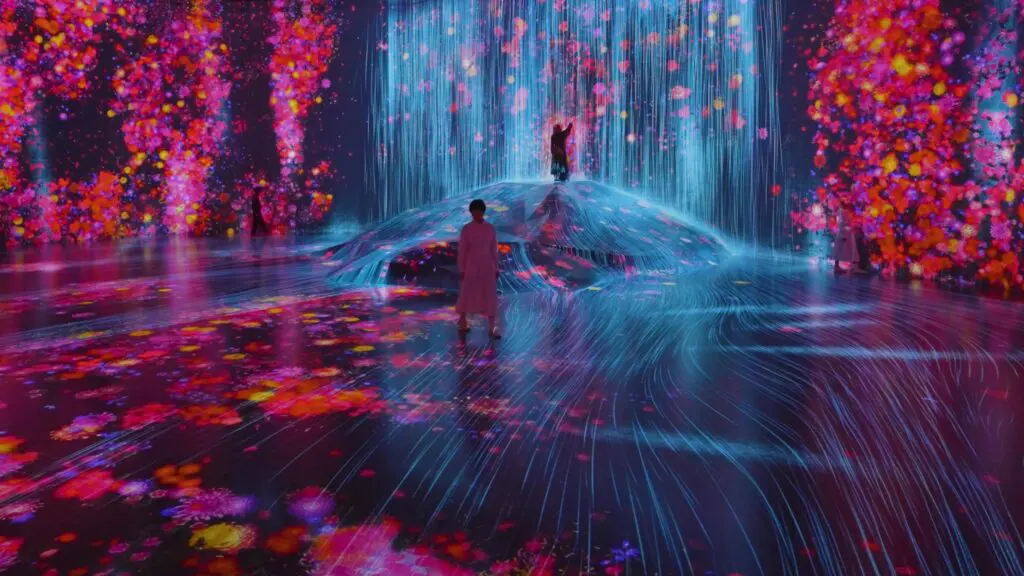
Чем он выделяется: Проект «teamLab Borderless» рассматривает проекцию не как средство отображения на экране, а как окружающую пространственную среду. Произведения искусства не ограничиваются стенами: они простираются через помещения, реагируют на движения людей и взаимодействуют друг с другом. Этот проект по-прежнему остается одним из наиболее часто цитируемых примеров интерактивного иммерсивного дизайна в архитектурном масштабе.
Идеально подходит для: Изучение крупномасштабных иммерсивных опытов, концепций интерактивной проекции и дизайна повествовательных пространств, охватывающих несколько помещений.
Основные преимущества | Возможные ограничения |
|---|---|
Взаимодействие в режиме реального времени по комнатам | Требуется очень большое постоянное помещение |
Плавный переход между пространствами | Требуются специалисты по разработке индивидуального программного обеспечения и интеграции |
Иммерсионный проект архитектурного масштаба (10 000 м²) | Большое количество оборудования (470 проекторов, 520 компьютеров) |
Среди примечательных проектов в области видеомэппинга можно выделить такие иммерсивные художественные инсталляции, как эта, а также 360-градусный проект «Van Gogh Immersive Experience» — оба они демонстрируют, как музеи иммерсивного искусства используют видеомэппинг для того, чтобы «окутать» целые залы анимированными версиями знаменитых картин.
2. Иммерсивный ужин — Ephemera Group, Франция
Основанная в 2022 году тремя предпринимателями из Institut Lyfe (ранее Institut Paul Bocuse), Группа «Ephemera» зарекомендовала себя как пионер в сфере иммерсивных гастрономических впечатлений во Франции. За четыре года группа открыла семь иммерсивных ресторанов по всей стране — в том числе «Under The Sea», «Jungle Palace», «Stellar», «Magmatic» и «Wonderwoods» — каждый из которых переносит гостей в свой уникальный мир: в глубины океана, тропические джунгли, далёкий космос, вулканический мир или волшебный лес.
Проектированием и интеграцией аудиовизуальной инфраструктуры занимается Фосфор. На каждом сайте представлены От 15 до 20 видеопроекторов Epson, акустические системы и осветительные приборы, все из которых управляются Медиасерверы Modulo Player от Modulo Pi, которые обеспечивают управление Видеомэппингом, воспроизведением видео, аудио и световыми эффектами через единый интерфейс управления. В семи ресторанах в общей сложности около 100 проекторов и 30 серверов Modulo Player проходят ежедневно — во время обеденного и ужинного обслуживания, каждый день. Проекции адаптируются к особенностям архитектуры каждого заведения: сводчатые потолки в «Jungle Palace» в Париже, большой купол в «Magmatic» в Лилле или полупрозрачные ткани и скульптурные элементы в «Under The Sea» в Монпелье.
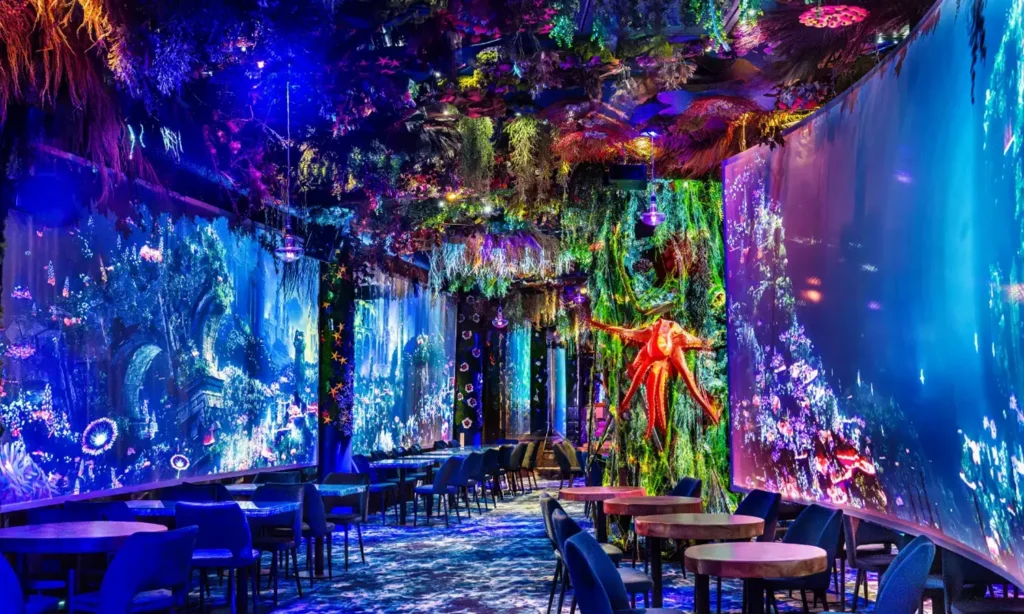
Чем он выделяется: Проект «Ephemera» демонстрирует индустриализированный подход к иммерсивному гастрономическому опыту — Видеомэппинг, стабильно работающий в больших масштабах на нескольких площадках, с контентом, который меняется в зависимости от сезона или мероприятия. Он показывает, как Видеомэппинг превращается из разового зрелища в постоянный элемент повседневной работы в сфере гостеприимства.
Идеально подходит для: Ресторанные группы, концепции гостеприимства с эффектом полного погружения и многоплощадочные развлекательные центры.
Основные преимущества | Возможные ограничения |
|---|---|
Полностью иммерсивная атмосфера ужина с обзором на 360° | Требуется специальная архитектура помещения |
Контент меняется в зависимости от сезона, события или темы | От 15 до 20 проекторов на каждый зал — значительные первоначальные инвестиции |
Надежная ежедневная работа благодаря автоматизированным медиа-серверам | Требуется постоянное сотрудничество в области интеграции и технического обслуживания |
Видеомэппинг стал популярным методом преобразования площадок для корпоративных мероприятий в иммерсивные пространства, что позволяет значительно улучшить общее впечатление участников — и этот же подход чрезвычайно эффективен в сфере гостеприимства.
3. Розничная акция — Louis Vuitton x Яёи Кусама в Harrods
От 6 января — 13 февраля 2023 года, Louis Vuitton преобразил весь фасад лондонского универмага Harrods с помощью инсталляции с Видеомэппингом, вдохновленной фирменными горошками Яёи Кусамы — первый бренд, который когда-либо освещал «Харродс» таким образом. Кампания, разработанная Работы в стиле пиксель-арт и агентство по созданию брендового опыта ЭНЕРГЕТИКА Медиапланирование кампании осуществляла компания Publicis Media Luxe; она проходила одновременно с установкой 15-метровой скульптуры художника перед фасадом здания на Ханс-Кресент и оформлением 27 витрин на первом этаже, посвященных коллекции, созданной в рамках этого сотрудничества.
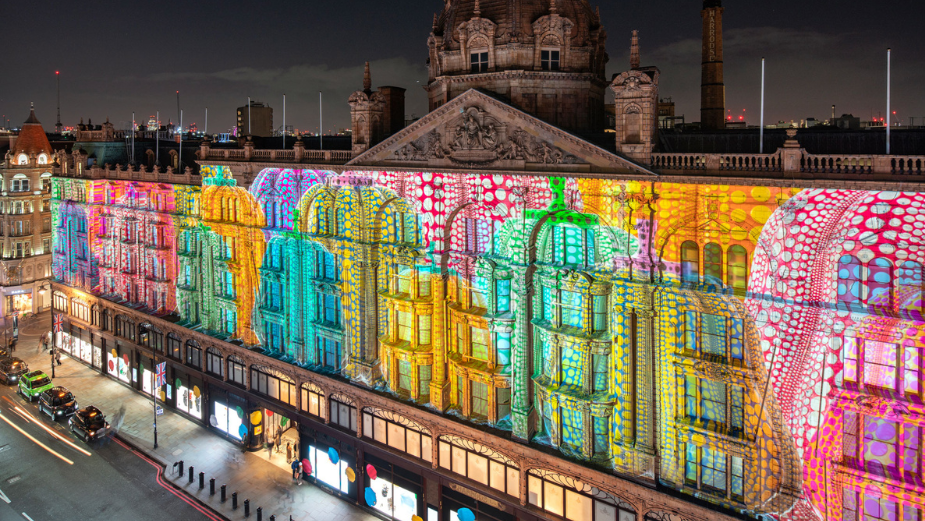
Чем он выделяется: Это один из редких проектов в области Видеомэппинга, в котором публично зафиксированное влияние на коммерческую деятельность. За первую неделю кампания принесла более 673 000 уникальных просмотров, и это поглощение способствовало объем продаж более 25 миллионов фунтов стерлингов. В ней показано, как архитектурный Видеомэппинг стал стратегическим маркетинговым инструментом для брендов класса люкс — не просто зрелищем, а измеримым фактором, способствующим привлечению внимания к бренду и увеличению выручки.
Идеально подходит для: Специалисты по розничному маркетингу, разработчики стратегий продвижения брендов и организаторы мероприятий в сегменте роскошных товаров, стремящиеся обосновать использование Видеомэппинга как инвестицию в бизнес.
Основные преимущества | Возможные ограничения |
|---|---|
Измеримый коммерческий эффект (просмотры, продажи) | Требуется знаковое здание в качестве «холста» |
Убедительное повествование о бренде на общедоступной платформе | Краткосрочная активация (5 недель) |
Медиа-интеграция (фасад, витрины, скульптура, наружная реклама) | Требуется большая команда агентства и координация |
Крупные корпорации и бренды используют Видеомэппинг для организации ярких презентаций новых продуктов и проведения маркетинговых кампаний — этот пример демонстрирует, каких впечатляющих результатов можно добиться, когда мода сочетается с технологией Видеомэппинга.
4. Сценография концертного зала — проект «Square Cube» от Étienne de Crécy, разработанный архитектурным бюро 1024 Architecture
На сайте 2007, французский продюсер электронной музыки Этьен де Креси впервые представил своё концертное шоу «Beats’n’Cubes» на Музыкальный фестиваль в Ренне. Главный элемент: Конструкция лесов размером 6×6 метров в кубе разработано Франсуа Вуншель и Пир Шнайдер — тогда работавшие в составе коллектива EXYZT, сегодня известного как 1024 Архитектура. Девять кубов, сложенных в сетку 3×3, оживлялись с помощью Видеомэппинга, синхронизированного в реальном времени с музыкой, и накладывались на трубки и ткань, натянутую на каркас. Черно-белые и цветные визуальные эффекты, проходящие через три слоя полупрозрачных поверхностей, создавали оптическую иллюзию, при которой зрители уже не могли понять, движется ли свет или его просто проецируют.
Вдохновленное пирамидальным туром группы Daft Punk (2006 г.), шоу стало мировой эталон в области аудиовизуальных Живых выступлений в сфере электронной музыки, гастролировав в течение почти семи лет по пяти континентам. Этот проект по праву считается одним из тех, которые закрепили Видеомэппинг в качестве основного сценографического инструмента для концертов, проложив путь для последующей волны аудиовизуальных живых шоу.
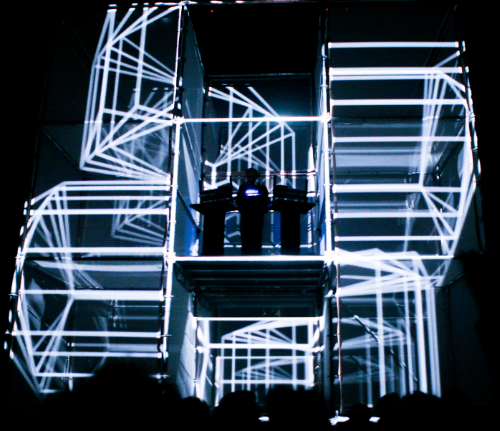
Чем он выделяется: Проект «Square Cube» стал важной вехой в области дизайна живых аудиовизуальных представлений. Он продемонстрировал, что Видеомэппинг может стать самой структурой живого шоу — не просто фоном, а пространственным и повествовательным ядром представления. Кроме того, этот проект закрепил за студией «1024 Architecture» статус одного из ведущих игроков в сфере дизайна сцены; позже она разработала программу для видеомэппинга MadMapper, которая широко используется и по сей день.
Идеально подходит для: Дизайнеры Живых выступлений, VJ-и, сценографы гастрольных туров и все, кто рассматривает проекцию как архитектуру шоу.
Основные преимущества | Возможные ограничения |
|---|---|
Проекция становится основной архитектурной составляющей шоу | Требуется специально построенное физическое сооружение |
Синхронизация музыки и визуальных эффектов в режиме реального времени | Многослойная конструкция требует точного выравнивания |
Компактная конструкция, подходящая для гастролей | Требуется квалифицированная команда специалистов по аудиовизуальному оборудованию для настройки и обслуживания |
5. Видеомэппинг архитектурного наследия — “Ode à la vie” от Moment Factory, посвящённая храму Саграда Фамилия
На сайте Сентябрь 2012 года, Moment Factory был приглашён городами Барселона и Монреаль чтобы организовать первое звуковое и световое шоу на Фасад «Рождество Христово» собора «Саграда Фамилия» — культового шедевра Антони Гауди в Барселоне. Названная «Ода жизни», эта 15-минутное шоу проходил в течение трёх вечеров (21–23 сентября) в рамках барселонского фестиваля «Ла Мерсе» и, по оценкам, собрал 32 000 зрителей.
Настройка развернута 16 видеопроекторов, 13 компьютеров и 25 подвижных прожекторов на холсте размером примерно 150 × 30 метров. Изображения наносились на сложные каменные рельефы с помощью программы для видеомэппинга и воспроизводились в режиме реального времени с помощью собственной технологии Moment Factory X-Agora система воспроизведения. В ходе шоу было воплощено первоначальное желание Гауди увидеть свой памятник в полной красе: благодаря сочетанию эффектов “тромп-л’ой”, анимированных витражей, трансформирующихся статуй и световых эффектов на четырёх шпилях шоу превратилось в «живую фреску» из цвета, света и звука.
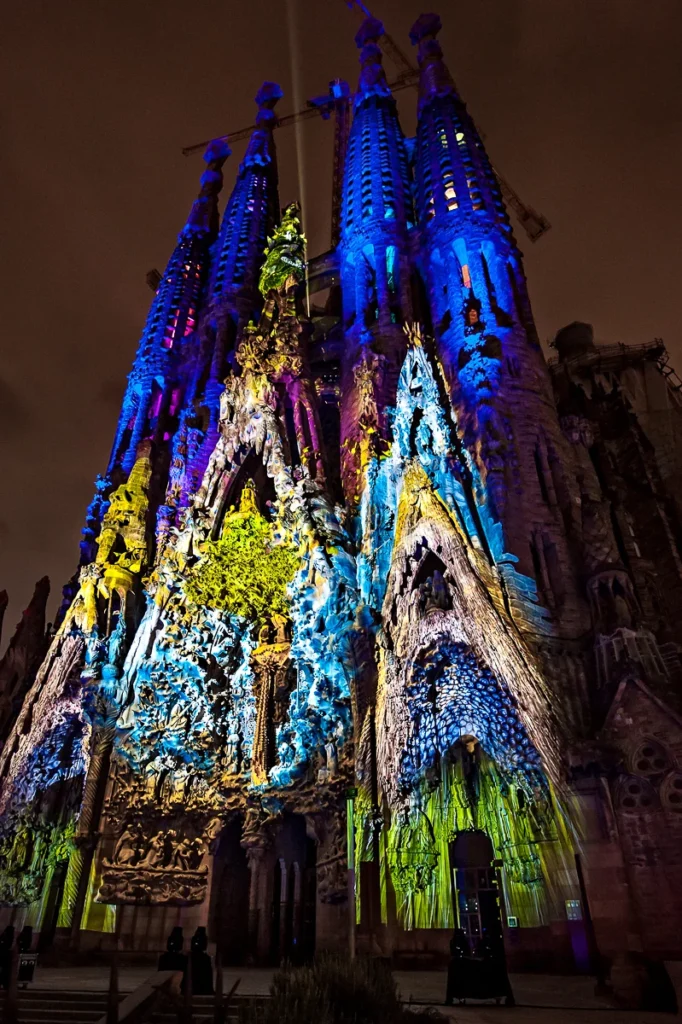
Чем он выделяется: Ода жизни установить эталонный стандарт для архитектурный видеомэппинг по поводу богато украшенного религиозного наследия. Этот проект продемонстрировал, как архитектурная концепция может не только не заменить, но и подчеркнуть собственную иконографию здания — этот пример до сих пор служит эталоном в отрасли, даже спустя более десяти лет.
Идеально подходит для: Художники, занимающиеся архитектурным видеомэппингом; дизайнеры проекций на объектах культурного наследия; организаторы культурных фестивалей.
Основные преимущества | Возможные ограничения |
|---|---|
Глубокое уважение к архитектуре принимающей системы | Доступ и разрешения на объектах культурного наследия |
Эффекты «тромп-л’ой» в сочетании с реальными рельефами | Комплексное проектирование элементов декора для богато украшенных фасадов |
Воспроизведение в реальном времени через профессиональный медиасервер | Координация работы большой команды и нескольких проекторов |
6. Дизайн театральной проекции — «La Jove Aïda» от Onionlab
Премьера состоялась 7 февраля 2026 года в Таррагоне, «Аида» в исполнении молодого состава представляет собой современную переработку оперы Верди Аида произведено Большой театр «Лисео» (Барселона) в сотрудничестве с Фонд «Опера в Каталонии». Эта 60-минутная опера, предназначенная для юных зрителей (возраст 8+), в 2026 году отправится в гастрольное турне по пяти каталонским городам, а в сезоне 2026/27 будет представлена в самом театре «Лисео».
Автором визуального и сценографического оформления является студия из Барселоны Onionlab, драматургия — Жорди Касановас, музыкальная адаптация — Мариан Маркес. Сценография задумана в первую очередь как аудиовизуальное устройство: вместо физических декораций компания Onionlab использует проекции и цифровой дизайн, чтобы по-новому интерпретировать легендарные декорации 1945 года, созданные Хосепом Местресом Кабанесом, посредством ретрофутуристическая эстетика, вдохновленная видеоиграми. В центре сюжета — Айна, молодая разработчица видеоигр, которая оказывается запертой внутри своей собственной виртуальной «Аиды» — повествовательной рамки, которая оправдывает использование визуального языка пиксель-арта и придает проекциям диегетическую роль в истории.
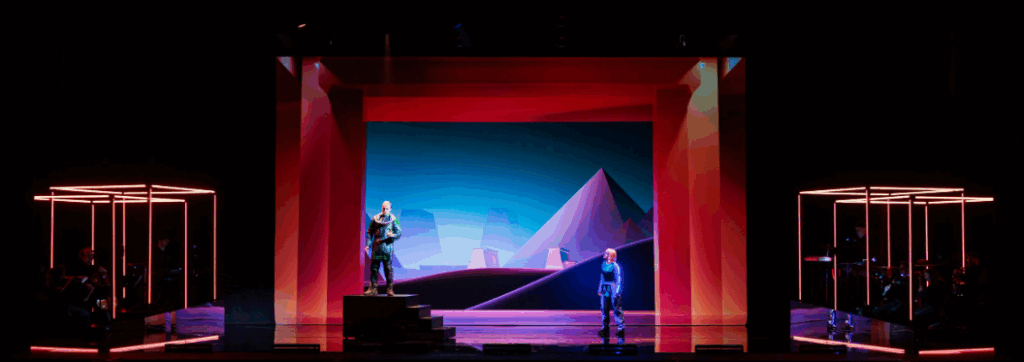
Чем он выделяется: «Аида» в исполнении молодого состава показывает, как Видеомэппинг становится основная сценографическая дисциплина в современной опере и театре. Проекция не просто украшает сцену — она и есть сцена: она несет в себе повествование, отсылает к традициям дизайна сцены и связывает классическую форму с новым поколением с помощью визуального языка, который им понятен.
Идеально подходит для: Театральные и оперные сценографы, культурные учреждения, занимающиеся модернизацией классического репертуара, а также дизайнеры, работающие на стыке повествования, технологий и культурного наследия.
Основные преимущества | Возможные ограничения |
|---|---|
Проекция как основной повествовательный приём, а не просто украшение | Требуется тесное сотрудничество с командой драматургов |
Цифровое переосмысление традиционного сценографического оформления | Гастрольная постановка — содержание должно адаптироваться к различным площадкам |
Приближает классическую оперу к молодой аудитории | Производство и координация в масштабах организации |
Видеомэппинг можно использовать в общественных местах для создания интерактивных впечатлений, таких как самая высокая в мире аркадная игра, проецируемая на здание Музея Виктории и Альберта, где игроки управляют автомобилем с помощью органов управления транспортного средства — что демонстрирует стремление этого учреждения расширять границы интерактивных экспозиций.
7. Художественный монументальный видеомэппинг — «Radiant» Филипа Рока
Филип Рока — черногорский цифровой художник, в творчестве которого Видеомэппинг рассматривается как язык света, геометрии и физики. Сияющий существует в две версии, созданные специально для конкретных мест: в Фестиваль «Интервалы» в Нижнем Новгороде (2023 г.), проецируемое на Здание завода «Маяк», а также в Мемориальная картинная галерея Мэйдзи в Токио (2024), созданный по заказу в рамках программы «Festival Center Theatre» совместно с Японской ассоциацией Видеомэппинга.
Эта концепция исходит из простого противоречия: Свет определяет всё, что мы видим, но при этом остаётся невидимым, пока не падает на поверхность. Фасад рассматривается не как экран, а как эластичный материал — словно освещение представляет собой давление или удар, а не проецируемое изображение. Визуальный язык остается сдержанным (монохромная геометрия, четкие контуры, контролируемое негативное пространство), а затем переходит в цветовые сдвиги, расщепление цвета и аберрации, напоминающие рефракцию. Саундтрек Зарко Комара объединяет обе версии в единую современную электронную композицию.
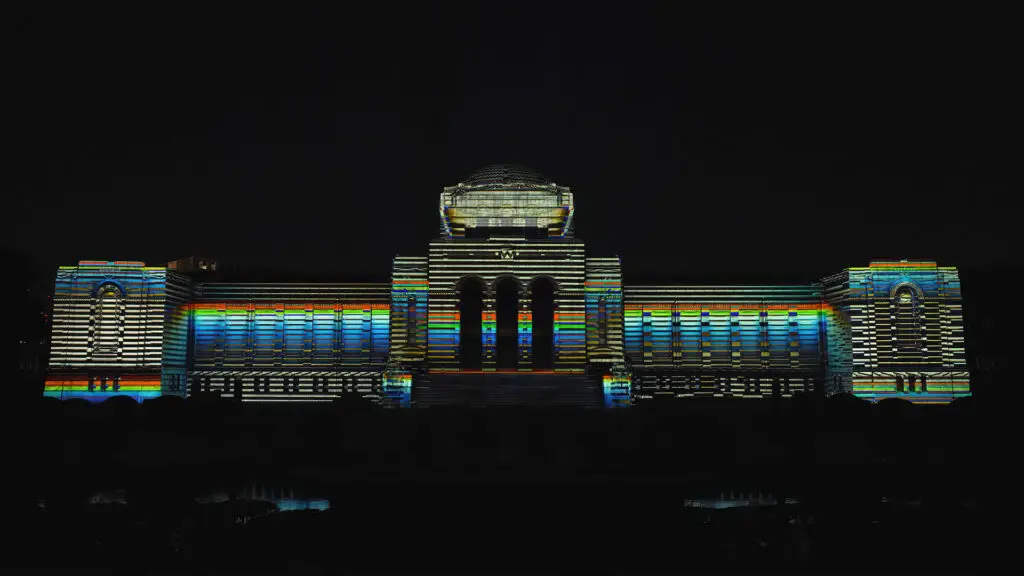
Чем он выделяется: «Radiant» — это справочник по абстрактное, художественное монументальное Видеомэппинг — отказ от нарратива и декора в пользу научно обоснованного подхода к изучению взаимодействия света, архитектуры и восприятия. Кроме того, этот проект демонстрирует, как единая художественная концепция может быть адаптирована к радикально разным объектам, сохраняя при этом свою самобытность.
Идеально подходит для: Цифровые художники, кураторы фестивалей и специалисты по Видеомэппингу, занимающиеся абстрактными, концептуальными работами, а не проектами, основанными на повествовании.
Основные преимущества | Возможные ограничения |
|---|---|
Четкая концептуальная идентичность, адаптируемая к различным площадкам | Абстрактный язык может не подходить для заданий, ориентированных на повествование |
Минималистичный визуальный язык с максимальным архитектурным эффектом | Требует точного видеомэппинга на богато украшенные фасады |
Музыка и изображение, задуманные как единое произведение | Требуется постановка фестивального масштаба и доступ к месту проведения |
8. Акция «Guerilla Climate Projection» — протест против выбросов метана броненосцами, организованный Комиссией по ценным бумагам и биржам (SEC), в рамках конференции COP26 в Глазго (2021 г.)
Накануне Конференция ООН по изменению климата COP26 в Глазго (ноябрь 2021 года) десять активистов-климатистов из Коллектив «Гастивисты», «Сланцу — нет!» / «Прекратите добычу сланца сейчас!» и Климатический лагерь в Шотландии проецировал серию несанкционированных «партизанских» проекций высотой 40 метров на SEC «Армадилло», где проходил саммит. Визуальные эффекты в сочетании с впечатляющие инфракрасные кадры утечек метана от британской и европейской газовой инфраструктуры с лозунгами вроде “Чистый газ — это грязная ложь” и “Следует немедленно сократить выбросы метана“.
Эта акция была приурочена к утечке документов Европейской комиссии, в которых раскрывались планы по ускоренной реализации 27 новых инфраструктурных проектов, связанных с ископаемым газом. Официальная команда по проецированию на COP26 ненадолго ответила радугой и надписью “Уходите” — но этот обмен только привлек ещё больше внимания к активистам. После перемирия, как сообщается, официальные специалисты по проецированию встретились с активистами, чтобы поздравить их с проделанной работой.
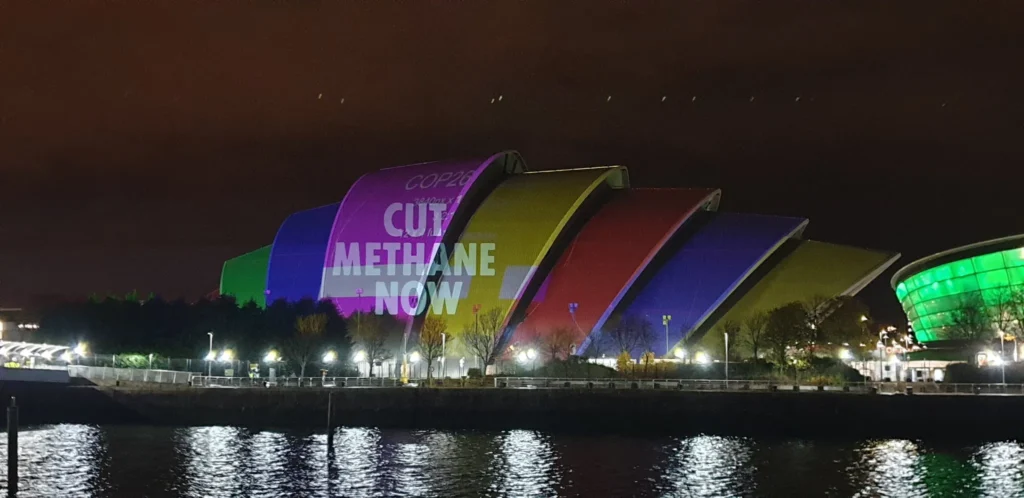
Чем он выделяется: Этот проект превращает Видеомэппинг в инструмент, позволяющий сделать невидимое видимым — метан, парниковый газ, который в течение 20 лет вызывает потепление как минимум в 80 раз сильнее, чем CO₂, становится различимым благодаря инфракрасным изображениям, проецируемым в монументальном масштабе. Вместо статичного лозунга визуальный язык использует научные данные в качестве художественного материала, передавая экологическое послание, обладающее как эстетической, так и доказательной силой.
Идеально подходит для: Активистские коллективы, разработчики экологических кампаний и творцы, исследующие проекцию как средство общественной пропаганды, выходящее за рамки декоративных или повествовательных целей.
Основные преимущества | Возможные ограничения |
|---|---|
Превращает научные данные в впечатляющие визуальные образы | Юридическая неопределённость — неразрешённые выступы на частных зданиях |
Очень символичное время и место | Требуется настройка мобильного оборудования, незаметная логистика |
Сочетает в себе основанный на фактических данных контент с яркой визуальной идентичностью | Для сбора материалов (инфракрасных съёмок) требуется специальное оборудование |
9. Интерактивная инсталляция для розничной торговли — Высокая топография Автор: SPACEFILLER
В июле 2018 года дуэт художников ЗАПОЛНИТЕЛЬ ПРОСТРАНСТВА — Алекс Миллер и Алекс Наги — создали Высокогорная местность, интерактивный пьедестал с Видеомэппингом для Концептуальный магазин «Му-Ён» в Сиэтле. Инсталляция была создана к запуску коллекции кожаных кроссовок в этом магазине в рамках мероприятия Capitol Hill Art Walk.
В течение трёх месяцев художники вырезали Топографическая модель горного хребта размером 2 × 4 фута с помощью фрезерного станка с ЧПУ, а затем нанесла на его ступенчатую поверхность визуальные элементы, созданные на основе специального кода. На вершинах «горы» расположены кроссовки, а датчик давления, установленный под платформой, запускает изменения в проецируемом ландшафте — в том числе симуляцию «запирания птицы» — каждый раз, когда кроссовки поднимают или ставят на место.
Вся система была создана этим дуэтом собственными силами: физическая скульптура, специально разработанная программа для видеомэппинга, интеграция датчиков, генеративные симуляции. По их словам, именно видеомэппинг позволяет им “перенести наши компьютерные программы в реальный мир”.”
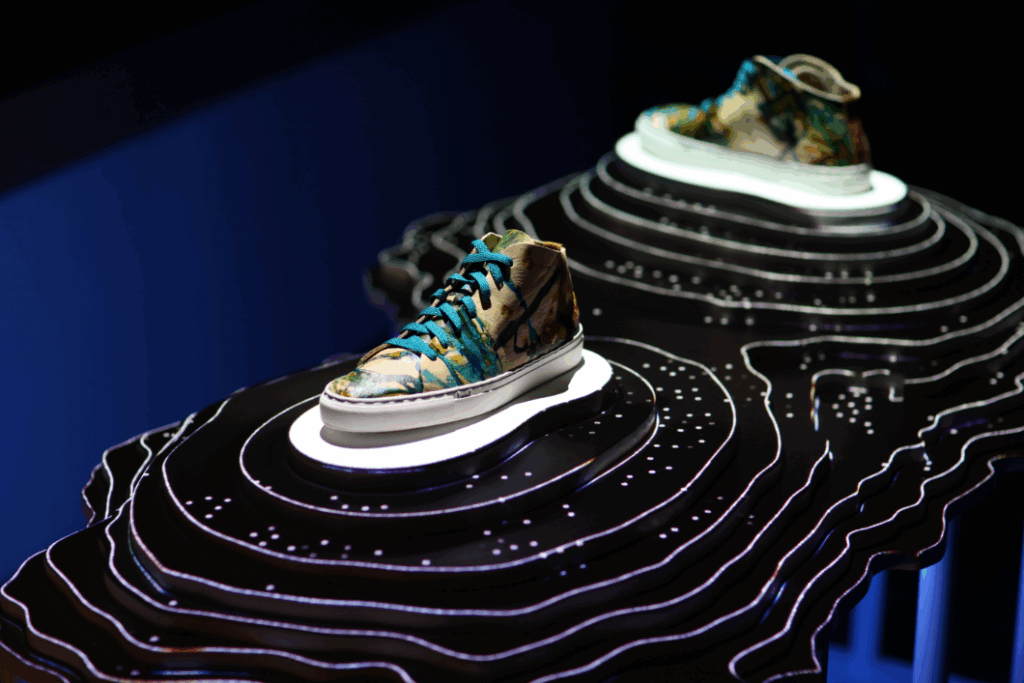
Чем он выделяется: Высокая топография является ярким примером небольшие интерактивные Видеомэппинги в торговых помещениях. Это демонстрирует, как с помощью Видеомэппинга можно превратить витрину с товарами в произведение искусства — благодаря сочетанию датчиков давления, генеративного кода и мастерства ручной работы. Кроме того, это напоминает о том, что некоторые из самых интересных проекций создаются далеко от монументальных фасадов — в небольших студиях, состоящих всего из двух человек, которые экспериментируют с новыми гибридными формами.
Идеально подходит для: Независимые студии, дизайнеры розничных пространств, специалисты в области генеративного искусства, а также все, кто занимается интерактивной презентацией товаров или дизайном инсталляций ручной работы.
Основные преимущества | Возможные ограничения |
|---|---|
Интерактивная проекция, реагирующая на физическое присутствие | Требуется индивидуальная разработка программного обеспечения и интеграция датчиков |
Небольшая занимаемая площадь, большой творческий эффект | Индивидуальная настройка — готовые решения не всегда позволяют легко повторить такой подход |
Сочетает в себе физическое ремесло (ЧПУ) с Цифровым искусством | Требующий значительных затрат времени процесс взаимодействия между физической и цифровой средами |
10. Проекция на Хэллоуин своими руками — «Phillips Projections» от Дэна П.
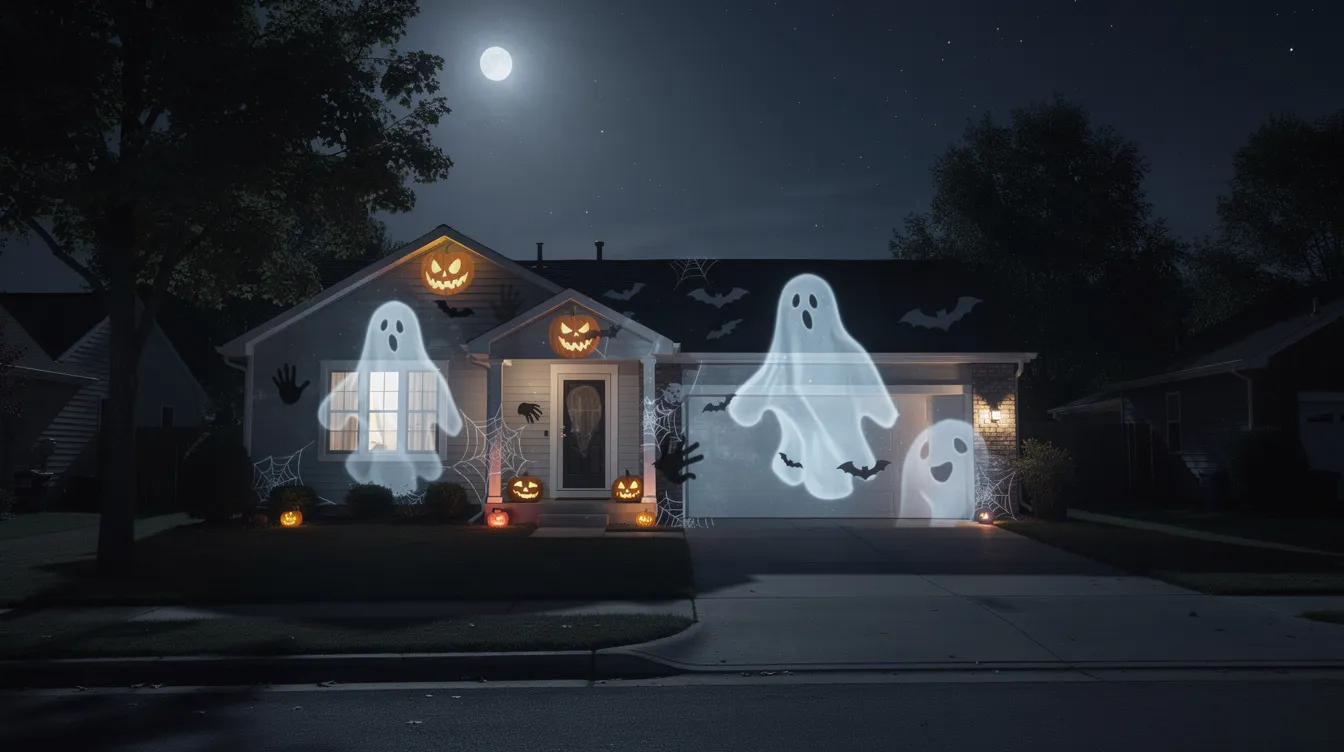
Дэн П. из Лансдейл, Пенсильвания, является одной из самых авторитетных фигур в сообществе любителей самостоятельного создания Видеомэппинга к Хэллоуину. Все началось с одного проектора, на котором демонстрировались эффекты AtmosFX’s «Холодные мурашки» на его гаражных воротах за несколько лет превратилось в 50-минутное шоу на Хэллоуин, охватывающее весь фасад проецировалось на весь его дом — в нем сочетались страшные сцены, моменты, подходящие для всей семьи, и его самый первый показ (Фестиваль ’Джек-о'-Лантерн») Видеомэппинг в гараже на две машины.
Рабочий процесс Дэна полностью состоит из доступные готовые инструменты: Adobe Photoshop и After Effects чтобы разработать дизайн и анимацию его фасада, стандартные проекторы для потребительского рынка, а также наложенные друг на друга цифровые декорации AtmosFX. Он документирует свой творческий процесс на своём канале в YouTube Проекции Филлипса, публикуя учебные материалы, которые вдохновили целое поколение любителей видеомэппинга в домашних условиях. Его рождественская версия — с использованием AtmosFX’s Рождественская витрина — превращает тот же фасад в праздничную витрину с витражами, демонстрируя, как самодельную конструкцию можно использовать в разные сезоны.
Чем он выделяется: Проекции Филлипса воплощает истинный дух «сделай сам» в области Видеомэппинга: постепенное развитие, обмен опытом в сообществе и творческое использование доступных инструментов. Это доказывает, что один увлечённый творческий человек, работая из дома, может создать шоу, которое увлечёт весь район — без необходимости в огромной команде или большом бюджете.
Идеально подходит для: Любители домашнего декора, творцы-любители, новички в области Видеомэппинга, а также все, кто хочет начать с малого и постепенно развиваться.
Основные преимущества | Возможные ограничения |
|---|---|
Полностью доступный рабочий процесс — не требуется привлечение команды специалистов | Требует терпения и многократных попыток на протяжении нескольких сезонов |
Установка, которую можно использовать как на Хэллоуин, так и на Рождество | Необходима защита от погодных условий и обеспечение безопасности проектора |
Практические руководства и обмен опытом в сообществе | Процесс освоения программного обеспечения для анимации и видеомэппинга |
Краткое сравнение лучших примеров видеомэппинга
Проект | Идеально подходит для | Диапазон бюджета |
|---|---|---|
TeamLab Borderless | Понимание масштабных интерактивных инсталляций | $10M+ |
Ресторан в Вашингтоне | Незабываемые впечатления от ужина и гостеприимства | $100K–500K |
Витрина Louis Vuitton | Розничный маркетинг и продвижение бренда | $200K+ |
Эрик Придз HOLO | Живая музыка и аудиореактивная проекция | $500K+ |
Саграда Фамилия | Видеомэппинг и культурное повествование | $1M+ |
Таблица Terraform | Интерактивные музейные экспонаты и образование | Под $5K |
Организм | Геометрическая анимация и фестивальные презентации | $50K-100K |
Сделано в Темпле | Мобильная проекция и партизанский маркетинг | Под $15K |
Видео о свитерах | Создание креативных видеороликов и ограниченные пространства | Под $2K |
Главная страница «Хэллоуин» | Развлечения для жителей и сезонные мероприятия | $10K-20K |
В чём секрет успеха этих идей в области Видеомэппинга?
Творческая адаптация концепции с использованием повседневных предметов
Самые вдохновляющие проекции зачастую берут начало с простых наблюдений. Схемы складывания оригами естественным образом переносятся на архитектурные поверхности, поскольку физические свойства бумаги хорошо моделируются в шейдерах. Края мебели определяют маскирующие сплайны для виртуальных расширений, превращая обычные стулья в цифровые холсты. В песчаных карьерах используется видеомэппинг, аналогичный технологии LiDAR, что доказывает: даже повседневные материалы могут стать источником революционных идей.
В 2014 году открытие обновленного вокзала Токио было отмечено впечатляющим шоу с использованием Видеомэппинга, в ходе которого были представлены динамичные визуальные образы, отражающие историю и назначение вокзала, а также увлекавшие зрителей благодаря гармоничному сочетанию с архитектурой здания. Во время зимних Олимпийских игр 2014 года в Сочи компания Coca-Cola ежевечерне проводила шоу с использованием Видеомэппинга в Дворце фигурного катания «Айсберг», демонстрируя яркие визуальные эффекты, воспевающие олимпийский дух.
Масштабируемость от масштабных до камерных проектов
Основные концепции, используемые в проектах масштаба здания, органично адаптируются к инсталляциям размером с комнату. Интерактивные принципы, лежащие в основе TeamLab, одинаково хорошо работают как в музейной экспозиции, так и в частном доме. Техники, реагирующие на звук, масштабируются от фестивальных сцен до диджейских пультов без потери эффекта.
В 2017 году, к 70-летию Эдинбургского международного фестиваля, компания 59 Productions с помощью Видеомэппинга превратила площадь Св. Андрея в волшебный ночной сад; шоу демонстрировалось в течение двух вечеров в 20-минутном цикле. Празднование Эдинбургского международного фестиваля показывает, как даже временные инсталляции способны создавать невероятные моменты, которые оставляют неизгладимое впечатление на зрителей.
Отраслевое применение
Различные отрасли используют технологию Видеомэппинга для разных целей:
- Торговые помещения использовать проекционную технологию для рассказывания истории бренда и привлечения клиентов, добившись роста трафика на 30%
- Заведения сферы гостеприимства создавайте тематические гастрономические впечатления с ростом вовлеченности 40-50%
- Живая музыка обеспечивает синхронизацию аудио в реальном времени для создания эффекта «вирусного мультипликатора»
- Корпоративные презентации теперь можно использовать такие функции, как динамические графики и обработка данных в реальном времени с помощью Видеомэппинга
На корпоративных мероприятиях часто используется Видеомэппинг для создания захватывающих визуальных эффектов, которые позволяют усилить воздействие брендовых сообщений и повествовательных элементов во время презентаций и запусков новых продуктов. Использование Видеомэппинга на корпоративных мероприятиях может значительно повысить вовлеченность аудитории, сделав презентации более запоминающимися и впечатляющими.
Как можно адаптировать эти идеи по Видеомэппингу для вашего мероприятия?
Выбирайте в зависимости от размера вашего помещения
Небольшие помещения (менее 20 футов):
- Сделайте акцент на мебели и концепциях, основанных на использовании стен, подобно подходу, примененному в клипе “Sweater”
- Изучите два здания или поверхности для развития восприятия глубины
- Внутренние установки хорошо сочетаются с проекторами для домашнего использования
Средние площадки (конференц-залы):
- Применить принципы архитектурного видеомэппинга, используемые при проведении мероприятий на открытом воздухе
- Рассмотрите возможность проецирования изображений на баскетбольную площадку или сцену
- Используйте несколько сцен для динамичного построения презентации
Просторные открытые площадки:
- Изучите методы проецирования зданий для определения масштаба
- Учитывайте освещенность от ночного неба
- Планирование расстояний проецирования и требований к яркости
Выбирайте с учетом своего бюджета
Низкий бюджет ($500–$5K):
- Отдавайте предпочтение креативным концепциям, а не дорогостоящему контенту, созданному на заказ
- Используйте встроенные библиотеки графических элементов для получения профессиональных результатов
- С помощью одного или двух проекторов можно добиться потрясающих эффектов
Средний бюджет ($5K–$50K):
- Сочетайте различные методы проецирования для создания иммерсивного опыта
- Добавление интерактивных элементов за счет интеграции датчиков
- Рассмотрите возможность аренды оборудования для разовых мероприятий
Высокий бюджет ($50K+):
- Сочетание 3D-видеомэппинга с физическими элементами
- Наладить сотрудничество между художниками и техническими специалистами
- Разработайте индивидуальный анимированный контент для ваших конкретных поверхностей
Преодоление разрыва между замыслом и реализацией: воплощение идей в жизнь
Вот в чём дело: для реализации всемирно известных Видеомэппингов на крупных достопримечательностях зачастую требуются специализированные программисты, сложные медиасерверы и месяцы работы над созданием индивидуального контента. Многие команды тратят бесчисленные часы на рендеринг индивидуальных видеоциклов в After Effects, что создаёт огромный барьер для независимых авторов.
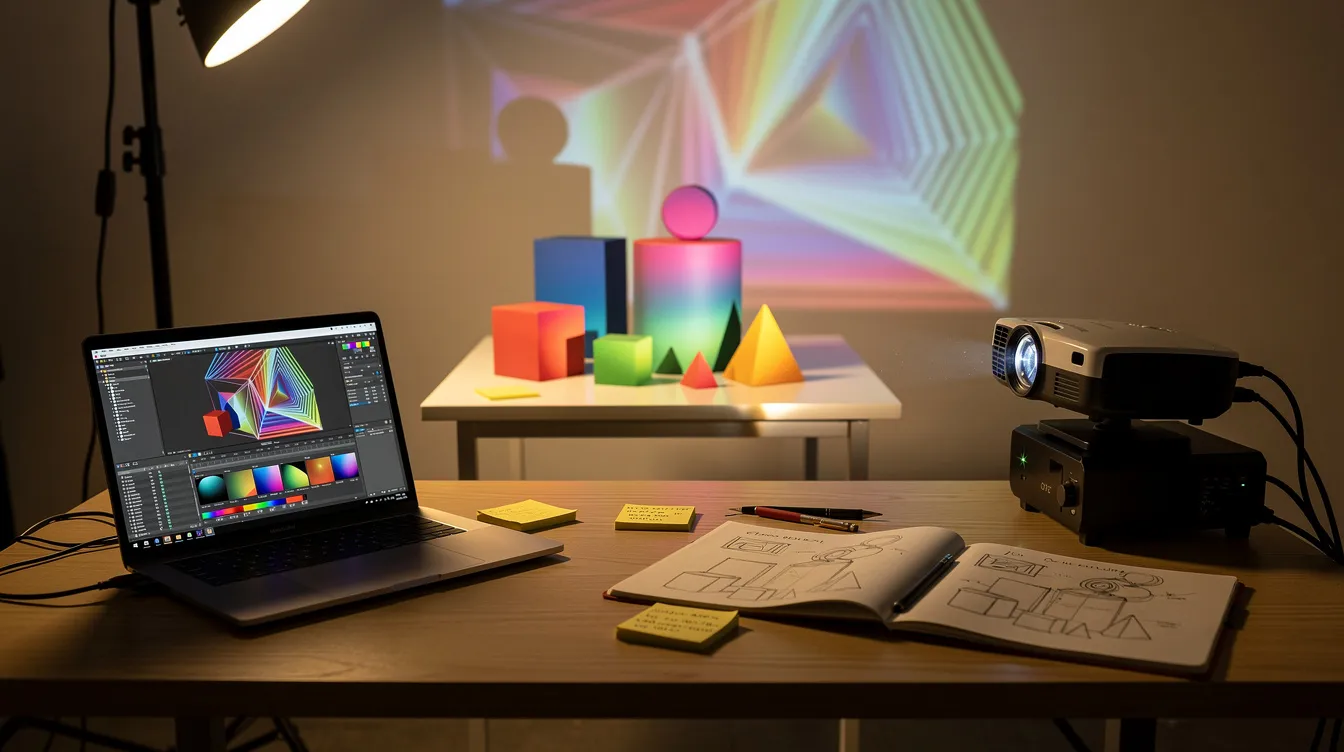
HeavyM — это безусловно лучшее программное решение для организаторов мероприятий, цифровых художников и целеустремленных новичков, которые хотят воплотить в жизнь свои “идеи в области Видеомэппинга” без огромного бюджета. Требуя абсолютно без программирования, это избавляет от технических сложностей при проектировании пространства. Его интуитивно понятный интерфейс с функцией перетаскивания позволяет пользователям создавать макеты любых творческих проектов за считанные минуты, а его обширная библиотека более 100 встроенных визуальных эффектов обеспечивает мгновенное создание высококачественного генеративного контента, соответствующего профессиональным образцам.
Кроме того, HeavyM позволяет вывести ваши настройки на новый уровень благодаря безупречному аудиореакция в реальном времени для реализации идей, связанных с музыкой (таких как диджейские пульты или живые концерты), и обеспечивает профессиональную масштабируемость благодаря передовым протоколам (OSC, MIDI, Art-Net/DMX, Syphon/Spout). Он устраняет разрыв между вдохновением и воплощением, позволяя вам наблюдать, как ваша идея воплощается в жизнь, не дожидаясь готовых рендеров.
Заключительные мысли
Самые вдохновляющие примеры Видеомэппинга доказывают, что творческое видение важнее технической сложности. От грандиозного музея TeamLab до хэллоуинской инсталляции в лондонском доме — основные принципы остаются неизменными: выбрать интересные поверхности, адаптировать контент к геометрии и создавать моменты, которые находят отклик у зрителей.
Да, разрыв между просмотром впечатляющей художественной инсталляции и созданием собственной может казаться непосильным. Но с помощью правильных инструментов ваши идеи в области Видеомэппинга ближе к реальности, чем вы думаете. Используя философию «без кода» от HeavyM и встроенный генеративный движок, вы сможете обойти традиционные препятствия, связанные с 3D-рендерингом и сложным программированием.
Начните с выбора своего первого канваса. Скачайте бесплатную пробную версию HeavyM уже сегодня, мгновенно протестируйте свои идеи и воплотите эти примеры мирового уровня в свою собственную потрясающую реальность.
Часто задаваемые вопросы (FAQ)
Каковы наиболее распространенные примеры Видеомэппинга?
Типичные примеры видеомэппинга варьируются от монументального архитектурного видеомэппинга на исторических достопримечательностях (таких как «Саграда Фамилия») до иммерсивных гастрономических мероприятий, интерактивных витрин магазинов, сценографии концертов вживую и даже проектов «своими руками» для дома, посвященных таким праздникам, как Хэллоуин.
Нужен ли мне огромный бюджет для реализации проектов в области Видеомэппинга?
Нет. Хотя в всемирно известных проектах используются сотни проекторов и специальные медиасерверы, основные принципы можно легко адаптировать для меньших масштабов. Один стандартный бытовой проектор в сочетании с простым в использовании программным обеспечением, таким как HeavyM, позволяет создавать потрясающие визуальные эффекты при очень небольшом бюджете.
Какая программа используется для создания этих примеров Видеомэппинга?
В крупномасштабных профессиональных инсталляциях часто используются сложные медиасерверы и индивидуальное 3D-программирование. Однако для организаторов мероприятий, цифровых художников и новичков, желающих реализовать высококачественный Видеомэппинг без технических сложностей, интуитивно понятное программное обеспечение без программирования, такое как HeavyM, является предпочтительным решением благодаря встроенным генеративным визуальным эффектам.
Может ли видеомэппинг быть интерактивным?
Да. Как видно на примерах таких проектов, как TeamLab Borderless или инсталляции в розничных магазинах, интерактивный Видеомэппинг использует датчики, камеры глубины или сенсорные панели, что позволяет проецируемому визуальному контенту реагировать в режиме реального времени на движения человека, звуки или физическое прикосновение.