

Мероприятия с использованием Видеомэппинга: как создать впечатляющие визуальные эффекты в реальных условиях
Видеомэппинг незаметно стал одним из самых мощных инструментов в арсенале организаторов мероприятий, стремящихся превратить обычные пространства в иммерсивные «холсты». Однако, несмотря на растущую доступность этой технологии, многие команды по-прежнему относятся к ней с осторожностью, не зная, как применить её в условиях жестких ограничений, характерных для организации мероприятий в реальных условиях.
Краткое содержание: Почему мероприятия с использованием Видеомэппинга важны для современных организаторов
С помощью видеомэппинга обычные помещения — от банкетных залов отелей до фасады стадиона—в динамичные, иммерсивные экраны, которые дарят незабываемые впечатления и значительно повышают вовлеченность посетителей. В отличие от традиционной проекции на плоские поверхности, эта технология позволяет отображать видеоконтент на трехмерных объектах и архитектурных элементах, создавая визуальные эффекты, которые захватывают зрителей так, как это не под силу статичному декору.
Наибольшие практические трудности для организаторов мероприятий и аудиовизуальных команд связаны со строгими временными ограничениями на доступ к площадкам, сжатыми графиками загрузки и выгрузки оборудования, а также с ограниченным временем на репетиции. Большинство площадок предоставляют всего 6–8 часов на полную подготовку, что оставляет мало возможностей для многонедельной предварительной подготовки, требуемой традиционными рабочими процессами в области Видеомэппинга.
Успех зависит от гибкой и удобной в использовании программы для видеомэппинга, которая не требует программирования, мгновенно адаптируется к физическому пространству и позволяет создавать или корректировать визуальный контент в режиме реального времени. HeavyM — это оптимальное решение для команд, стремящихся к такому балансу между мощностью и простотой.
Что такое Видеомэппинг в современных живых мероприятиях?
Видеомэппинг — также известное как видеомаппинг или пространственная дополненная реальность — представляет собой технологию точного совмещения видеопроекций с трехмерными поверхностями, такими как стены, сцены, декорации и архитектурные элементы, с целью создания анимированных иллюзий, виртуальных декораций и иммерсивного повествования. Это технология видеомэппинга использует программное обеспечение для геометрической калибровки, которое деформирует контент таким образом, чтобы он точно соответствовал контурам, углам и ракурсам неровных поверхностей.
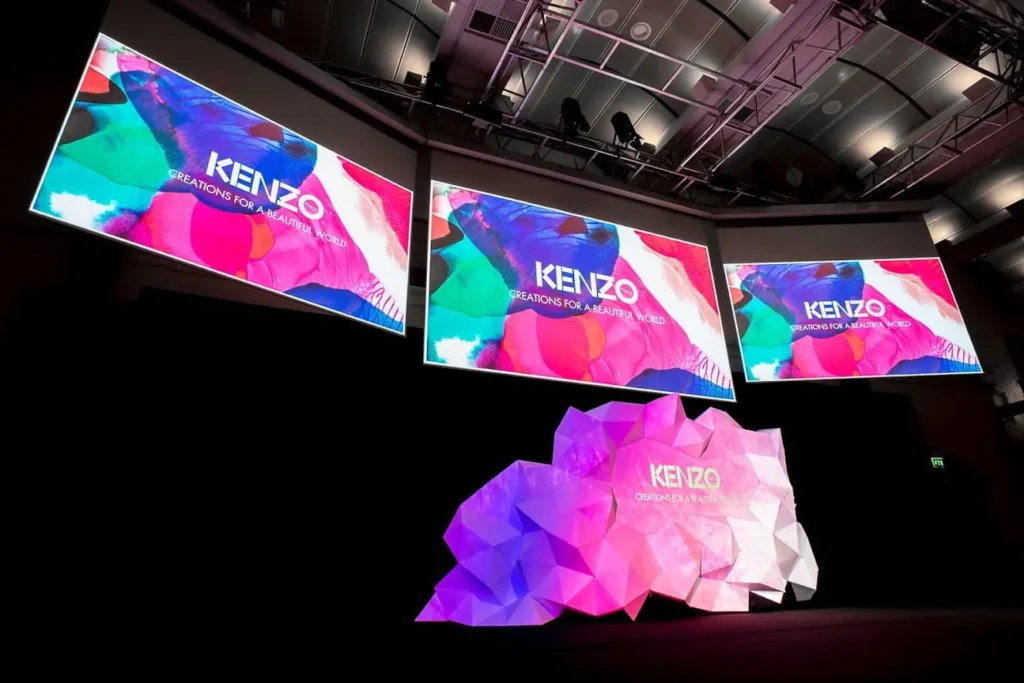
Рассмотрим следующие конкретные примеры крупномасштабных внедрений:
- Сиднейский оперный театр во время Яркий Сидней: Проекционные экраны площадью 1 200 квадратных метров, создаваемые с помощью до 20 мощных проекторов, ежегодно привлекают более 2,5 миллиона посетителей
- Шоу в перерыве матчей НБА: Видеомэппинг на баскетбольной площадке, создающий впечатление, будто поверхность раскалывается и извергается как вулкан, с использованием 10–15 проекторов, работающих в режиме слияния изображений, по всей игровой площадке размером 94×50 футов
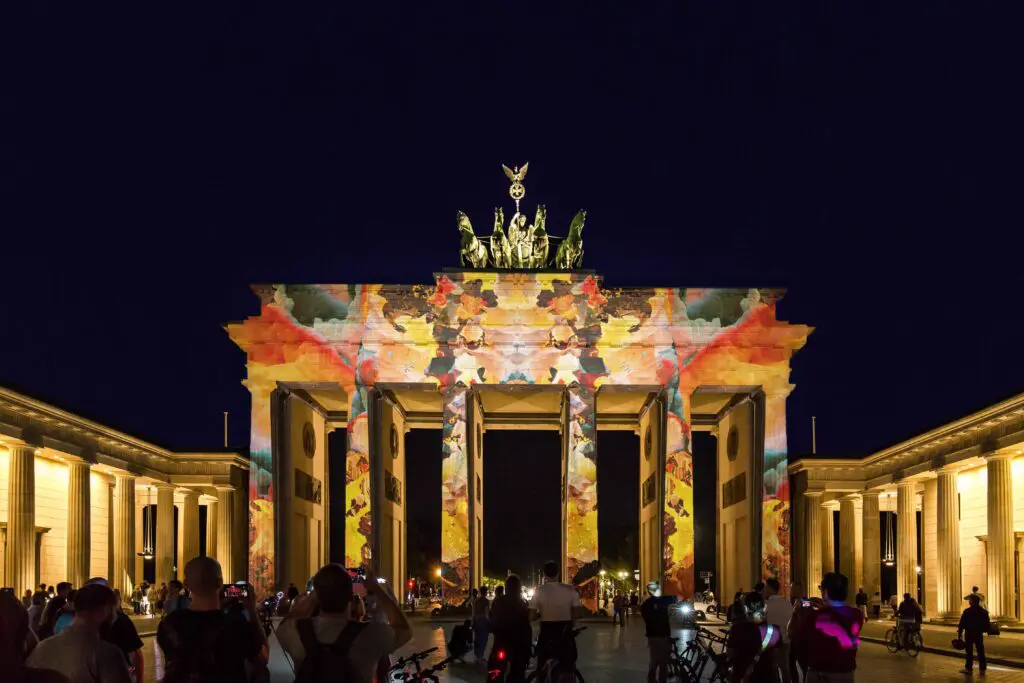
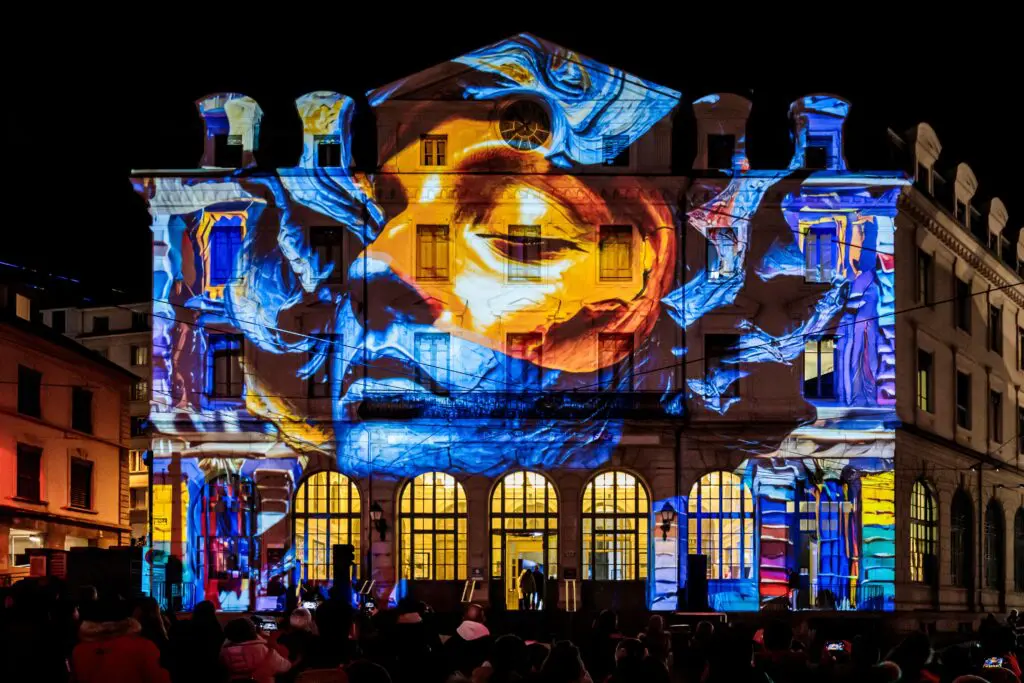
- Берлинский фестиваль огней: Такие здания, как Бранденбургские ворота, оживают на фасаде площадью более 10 000 квадратных футов
В отличие от традиционных проекционных или светодиодных экранов, на которых изображение отображается в виде плоской прямоугольной картинки, технология Видеомэппинга деформирует и подгоняет изображение под точную геометрию объектов или архитектурных элементов. Это производит неизгладимое впечатление, поскольку визуальные элементы создают ощущение, будто они являются неотъемлемой частью физического мира, а не просто проецируются на него.
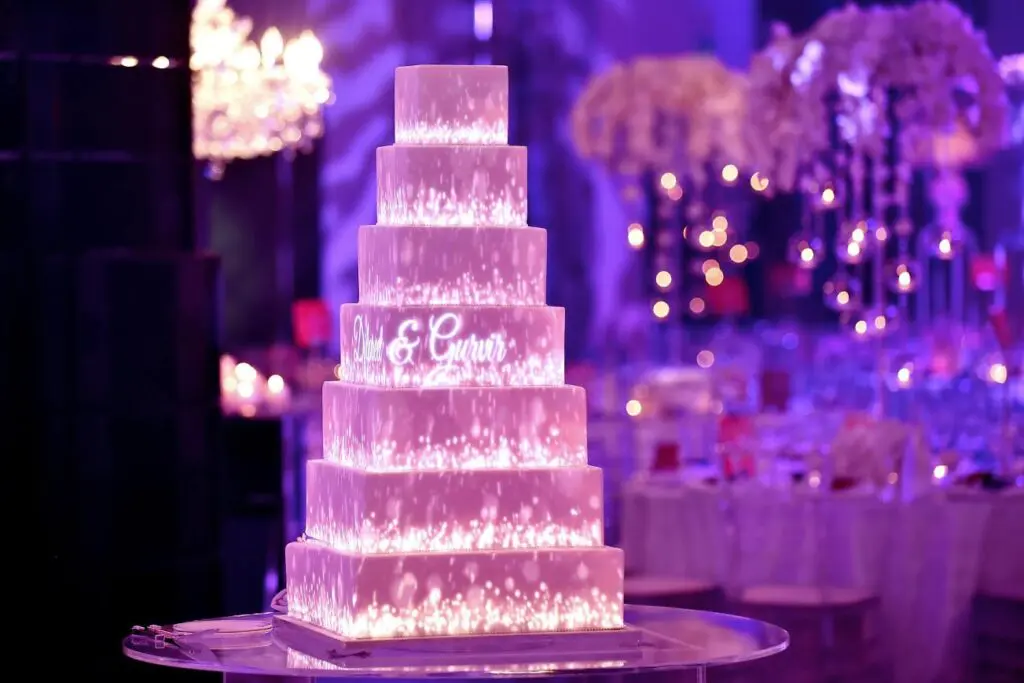
Эта технология может применяться как в небольших корпоративных залах и при оформлении свадебных тортов, так и на мероприятиях под открытым небом, включая оформление огромных фасадов зданий и инсталляции, охватывающие весь стадион.
Почему видеомэппинг идеально подходит для живых мероприятий?
Благодаря видеомэппингу команды могут заменить громоздкие физические декорации и печатные элементы оформления исключительно светом, что позволяет за считанные секунды кардинально преобразить одно и то же помещение. Это становится настоящим прорывом для мероприятий, где программа требует быстрой смены настроения — например, когда выступления ключевых докладчиков сменяются гала-ужинами, церемонии награждения переходят в афтер-пати, а презентации новых продуктов превращаются в концертные праздники.
Нет ровной поверхности? Не проблема!
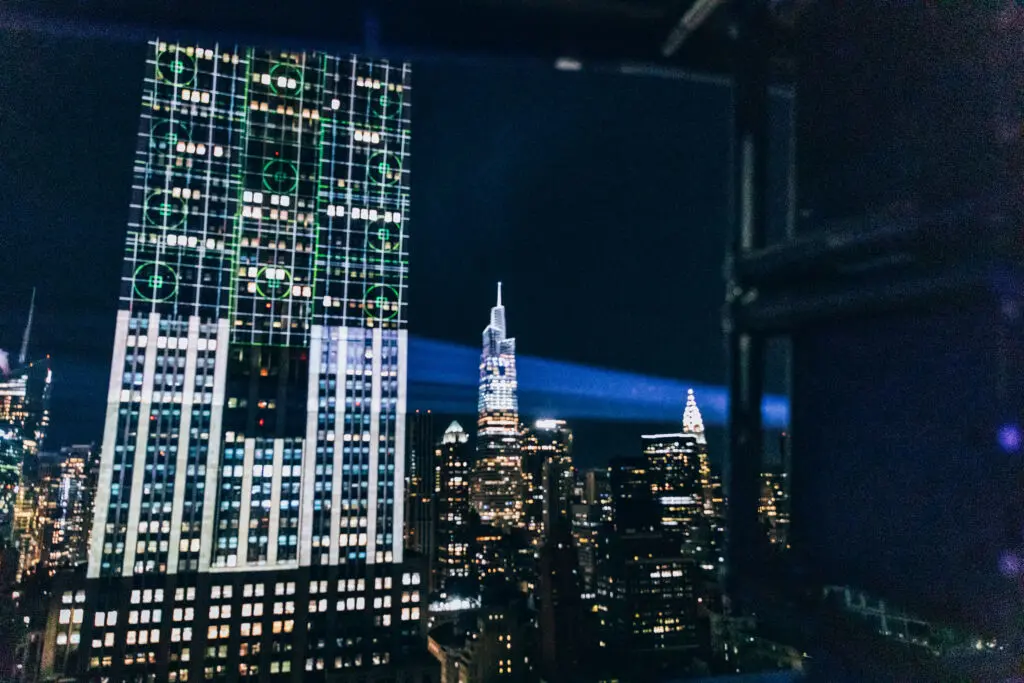
Современная программа для видеомэппинга позволяет осуществлять точное выравнивание изображения на изогнутых стенах, колоннах, сводчатых потолках, ферменных конструкциях, транспортных средствах и нестандартных декоративных элементах. В качестве примеров можно привести видеомэппинг изображения на круглую ферменную конструкцию над танцполом на технической конференции, обертывание проекций вокруг колонн бального зала отеля для проведения гала-вечера или использование карнизов и окон здания в качестве анимированных рамок.
Захватывающее 3D без очков
Контент с коррекцией перспективы и эффекты света и тени создают иллюзию глубины — полы, уходящие вдаль, здания, раскрывающиеся и открывающие виртуальные интерьеры, или автомобили, распадающиеся на части и вновь собирающиеся во время автосалонов. Такой подход к Видеомэппингу обеспечивает иммерсивный опыт, не требуя от зрителей ношения специальных очков.
Простота перемещения, адаптации и повторного использования
Проекторы, ноутбуки для работы с мультимедиа и компактные серверы их можно подвесить или незаметно разместить, что позволяет быстрее транспортировать и переустанавливать их по сравнению с большими светодиодными экранами или сценическими конструкциями, изготовленными на заказ. Это идеально подходит для гастрольных туров брендов, охватывающих 10 городов за 10 дней, сезонных акций в вестибюлях отелей или регулярных корпоративных встреч, на которых используется одно и то же проекционное оборудование с новым контентом.
Содержание видеомэппинга можно адаптировать под разных заказчиков, сохраняя при этом ту же схему Видеомэппинга, что позволяет максимально повысить рентабельность инвестиций. Шоу-файлы HeavyM можно быстро копировать, настраивать и повторно синхронизировать, что позволяет компаниям, занимающимся прокатом аудиовизуального оборудования, использовать одну и ту же систему на нескольких мероприятиях в месяц.
Основные категории мероприятий с использованием Видеомэппинга
Видеомэппинг превратился из нишевого трюка на художественных фестивалях в стандартный инструмент для массовых мероприятий в корпоративном, развлекательном и государственном секторах. Один и тот же базовый набор инструментов — проекторы и программа для видеомэппинга — может использоваться во всех этих сферах, просто меняя поверхности и контент.
Запуск новых продуктов и продвижение бренда
На мероприятиях, посвящённых запуску новых продуктов, с помощью видеомэппинга продукты “собираются” в световом поле, демонстрируются их внутренние компоненты или на одном физическом прототипе происходит плавный переход между различными вариантами.
HeavyM’Встроенные визуальные эффекты и функция быстрого маскирования позволяют агентствам разрабатывать региональные варианты в последнюю минуту без повторного рендеринга сложных видеороликов — это идеальное решение для использования Видеомэппинга с целью достижения целей вашего мероприятия.
Праздничные ужины, церемонии награждения и благотворительные мероприятия
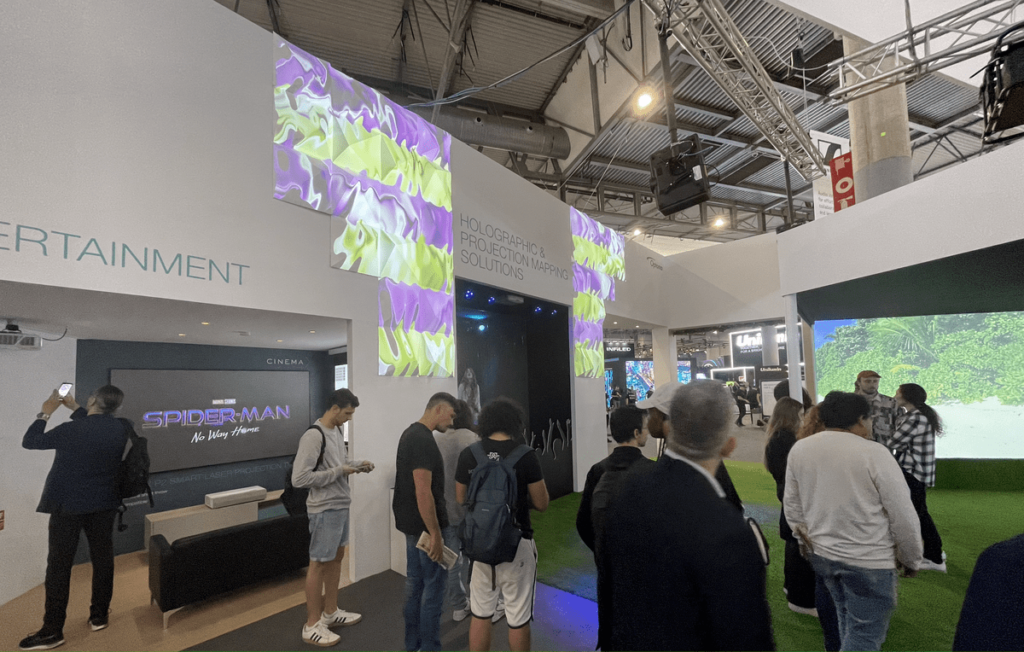
Общая задача: за один вечер, при ограниченном времени на подготовку, превратить обычные помещения, такие как однотонные банкетные залы отелей, в роскошные пространства, напоминающие кинодекорации. Среди эффективных идей для Видеомэппинга — анимированные цифровые занавеси вокруг сцены, нежные архитектурные узоры на стенах и анимированные ленты спонсоров, опоясывающие зал.
Концерты, фестивали и ночная жизнь
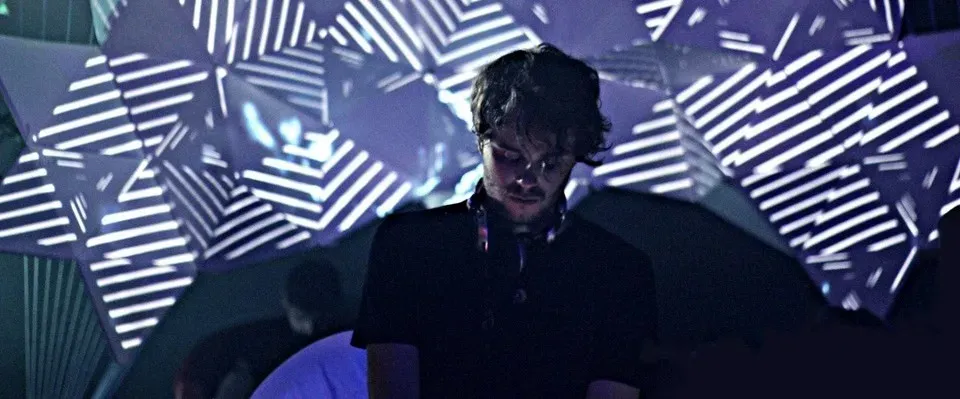
С помощью видеомэппинга сценические декорации — диджейские пульты, геометрические скульптуры, фестивальные арки — превращаются в живые визуальные образы, синхронизированные с ритмом музыки.
Реагирование на аудиосигнал в режиме реального времени имеет решающее значение для концерты и фестивали где содержание должно соответствовать BPM и изменениям энергии. HeavyM обеспечивает автоматическую реакцию на аудиосигнал в режиме реального времени, позволяя операторам управлять визуальными эффектами на основе музыкального сигнала без необходимости написания собственного кода или использования специализированных VJ-систем.
Захватывающие корпоративные презентации и конференции
На ключевых докладах и саммитах руководителей всё чаще используется панорамная проекция, позволяющая выйти за рамки одного экрана для слайдов и окружить докладчиков данными, изображениями и историями о брендах. В качестве примеров можно привести климатические саммиты, на которых вокруг аудитории проецируются данные об окружающей среде в формате таймлапса, или внутренние стартовые мероприятия по продажам, на которых участников окружают анимированные экосистемы продуктов.
HeavyM’Хронология, сигналы и интеграция с системой управления шоу через OSC или MIDI позволяют обеспечить точную синхронизацию, например, со сценариями дикторов и сигналами диспетчера шоу.
Свадьбы, частные вечеринки и эксклюзивные мероприятия
Технология видеомэппинга постепенно проникает в элитные светские мероприятия в виде анимированных монограмм на фасадах зданий, сюжетных настенных проекций для свадебных фотомонтажей и интерактивных танцполов. Проецируемые свадебные торты в стиле Диснея и потолки с изображением звездного неба на роскошных приёмах демонстрируют эту захватывающую технологию в уютной обстановке.
Компактные размеры и быстрое время настройки делают использование проекторов целесообразным в исторических зданиях, где установка тяжелого оборудования ограничена.
Реальные проблемы при проведении мероприятий с использованием Видеомэппинга
Несмотря на то что видеомэппинг является мощным инструментом, его репутация сформировалась под влиянием грандиозных проектов, требующих значительных бюджетов, сложных серверных систем и многомесячной подготовительной работы. К основным практическим трудностям относятся ограниченный доступ к месту проведения, контроль за внешним освещением, непредсказуемая геометрия поверхностей, давление, связанное с созданием контента, а также интеграция с существующей аудиовизуальной инфраструктурой.
Решение этих задач зависит в равной степени как от рабочего процесса и выбора программного обеспечения, так и от яркости проектора или выбора объектива.
Ограниченный доступ к объектам и сжатые сроки
К типичным ограничениям относятся корпоративные гала-вечера, когда между предыдущим бронированием и прибытием гостей остается всего 6–8 часов, или конференции с 2-часовым перерывом на смену оборудования в ночное время. Традиционные рабочие процессы, требующие недель предварительной 3D-визуализации на основе точных CAD-моделей, часто дают сбой, если реальная обстановка на месте отличается даже на несколько сантиметров.
HeavyM’Благодаря быстрой калибровке и инструментам для корректировки искривлений на месте технические специалисты могут адаптировать видеомэппинги за считанные минуты, когда возникает необходимость переместить проекторы или изменить расположение экранов.
Освещенность окружающей среды и яркость проекции
Дневной свет, сценическое освещение и светодиодные экраны снижают воспринимаемый контраст, что заставляет команды стратегически подходить к выбору времени проведения — после захода солнца для мероприятий на открытом воздухе — и выбору поверхности (светлые матовые материалы повышают контраст в 2–3 раза). Сосредоточьте проекции на контролируемых зонах: фасадах, защищенных от прямого света, и внутренних стенах, где можно приглушить освещение помещения.
Непредсказуемая геометрия сцены и изменения в последнюю минуту
К чистым проблемам относятся: элементы декора, доставленные с небольшими отклонениями от технических требований; перемещение подиумов в день репетиции; а также расположение арендованной мебели, не соответствующее планам. Жестко заданные 3D-последовательности, подготовленные заранее, являются уязвимыми, что зачастую вынуждает проводить дорогостоящие ночные доработки контента.
Разрабатывайте контент с использованием модульных форм и градиентов, которые будут хорошо смотреться при небольшом смещении краев. HeavyM’Благодаря системе видеомэппинга, деформации кривых Безье и движку контента на основе фигур операторы могут корректировать визуальные эффекты непосредственно на выходе, не возвращаясь в монтажные студии.
Интеграция с существующими системами аудио-видео, освещения и управления шоу
Современные мероприятия требуют синхронизации проекции с сигналами освещения, таймкодом, воспроизведением аудио, а иногда и с интерактивными элементами, такими как датчики или DJ-микшеры. На корпоративных мероприятиях необходимо, чтобы подвижные световые приборы и фоны с проекцией меняли сцены синхронно; на фестивальных сценах светотехникам требуется запускать эффекты проекции, напоминающие стробоскоп, во время «дропов».
Большинство программ для видеомэппинга, таких как HeavyM взаимодействовать с консолями управления освещением и шоу-контроллерами с помощью современных протоколов, включая OSC, MIDI и Art-Net/DMX, а также обмениваться видеоданными с другим программным обеспечением через Syphon/Spout. Такая совместимость позволяет небольшим командам добиваться синхронизации, характерной для “крупных шоу”, без необходимости инвестировать в самые сложные медиасерверы.
Как организовать мероприятия с использованием Видеомэппинга в сжатые сроки
Данная практическая инструкция предназначена для организаторов мероприятий и специалистов по аудиовизуальному оборудованию, которые сталкиваются с жесткими сроками запуска и ограниченным временем на технические репетиции. Реалистичный подход предполагает использование гибких систем и многоразовых ресурсов вместо чрезмерно сложных, разовых зрелищных проектов.
Заранее определите цели, бюджет и типы покрытия
Сначала определите основную цель: выделение ключевого преимущества продукта, эмоциональное повествование или создание атмосферы. Сосредоточьтесь на 1–2 ключевых поверхностях, а не пытайтесь оформить все стены, особенно в условиях ограниченного бюджета.
Своевременное согласование бюджетных диапазонов позволяет принимать обоснованные решения относительно класса проектора и сложности контента. HeavyM’Библиотека эффектов и подход, основанный на использовании шаблонов, могут позиционироваться как экономичная альтернатива заказу индивидуальной анимации.
Разработайте стратегию контента, соответствующую имеющимся временным и ресурсным возможностям
Уровни контента, которые следует учитывать:
- Просто: Анимация логотипов и фоновые узоры
- Средний уровень: Сюжетные эпизоды, сочетающие текст и анимацию
- Комплекс: 3D-иллюзии, которые были оправданы бюджетом
Техническое проектирование: проекторы, их размещение и объективы
Яркость и разрешение проектора следует подбирать с учетом размера зала, расстояния проецирования и уровня освещенности в помещении. Выбор объектива (стандартный, с коротким фокусным расстоянием, с ультракоротким фокусным расстоянием) позволяет решить проблемы с монтажом, связанные, например, с низкими потолками или узким пространством перед сценой.
HeavyM поддерживает установки с несколькими проекторами, оснащённые инструментами для сглаживания границ и выравнивания, что позволяет создавать масштабируемые конфигурации от одного до нескольких устройств.
Подготовка к производству с использованием гибкого и удобного программного обеспечения
Предварительная разработка макетов сцен, плейлистов контента и тестовых видеомэппингов позволяет снизить нагрузку на объекте, даже если окончательная геометрия пока неизвестна. HeavyM’Благодаря дизайну, не требующему программирования, и интуитивному рабочему процессу с использованием функции «перетаскивания» все больше членов команды — помимо специалистов-операторов — могут вносить свой вклад в этап подготовки к производству.
Команды могут заранее импортировать эталонные фотографии, нарисовать контуры маскирования и применить эффекты, а затем доработать деформацию изображения непосредственно на месте. Компании, занимающиеся прокатом аудиовизуального оборудования, могут создавать библиотеки готовых шаблонов шоу для типичных типов площадок.
Настройка, калибровка и репетиция на месте
Соблюдайте четкую последовательность действий: сначала установите проекторы, выполните базовую настройку фокуса и трапецеидальной коррекции, а затем проведите детальный видеомэппинг и коррекцию изображения в HeavyM или в вашем любимом инструменте для видеомэппинга. Незначительные неточности в синхронизации можно быстро исправить прямо в программе для видеомэппинга, что позволяет избежать повторного рендеринга контента в последнюю минуту. По крайней мере один полный прогон со всеми элементами шоу позволяет проверить синхронизацию и отточить временные параметры сигналов.
Рентабельность инвестиций для организаторов мероприятий и аудиовизуальных компаний
Видеомэппинг позволяет добиться визуального эффекта, сравнимого со стадионными шоу, без необходимости физического сооружения огромных декораций, что сокращает затраты на материалы, изготовление и хранение. Повторное использование проекторов и файлов шоу для разных клиентов позволяет распределить капитальные затраты, повышая рентабельность.
Возможность быстро менять внешний вид контента позволяет агентствам предлагать клиентам дополнительные пакеты по индивидуальной настройке без затрат на создание полностью нового контента. HeavyM’Встроенный контент-движок и быстрая освоение системы позволяют сократить время на подготовку к производству и расходы на услуги сторонних видеопровайдеров, что зачастую позволяет сэкономить от $5 000 до $20 000 на каждом проекте.
Устойчивое развитие и сокращение объема твердых отходов
Видеомэппинг позволяет сократить использование одноразовых печатных баннеров, декоративных элементов на пенопластовой основе и разовых конструкций, которые в конечном итоге попадают на свалки. Организаторы ежегодных конференций могут повторно использовать одну и ту же нейтральную декоративную основу, преобразуя при этом обычные помещения с помощью различных проекционных образов, соответствующих теме каждого года.
Эта экологическая выгода — сокращение объема отходов и соответствие корпоративным целям в области ESG — становится весомым аргументом при представлении концепций Видеомэппинга заинтересованным сторонам.
Создание контента: от высококачественной 3D-графики до встроенных эффектов
Шоу на мегастадионах и проекции на знаковых объектах часто требуют привлечения огромных съемочных групп, многомесячного рендеринга 3D-анимации и использования чрезвычайно сложных медиасерверов. Однако в случае большинства корпоративных мероприятий и проектов среднего масштаба сроки и бюджеты редко позволяют организовать столь масштабную постановку.
Многоуровневый подход — сочетание отдельных клипов, снятых по индивидуальному заказу, с эффектами, созданными с помощью программного обеспечения, — позволяет эффективно сбалансировать качество и стоимость.
Когда вам нужны полноценные производственные конвейеры 3D
Использование крупных команд и сложных технологических цепочек оправдано при проведении международных церемоний открытия, световых шоу в честь национальных праздников или знаковых Видеомэппингов на архитектурные объекты, которые, как ожидается, привлекут внимание мировых СМИ. Такие проекты включают в себя 3D-сканирование, физически точные симуляции освещения и сложный композитинг, что сопряжено с соразмерно более высокими затратами и более длительными сроками реализации.
В то время как HeavyM Хотя эта технология и не предназначена для замены производственных процессов, используемых в киноиндустрии, она позволяет создавать прототипы визуальных решений, проводить предварительные мероприятия или обеспечивать работу дополнительных зон вокруг флагманских шоу.
Гибкое создание контента для повседневных событий с HeavyM
Для презентаций новых продуктов, торжественных мероприятий, конференций и свадеб гибкий контент, создаваемый непосредственно в HeavyM, обеспечивает более чем достаточный творческий потенциал. Библиотека из более чем 100 встроенных визуальных эффектов позволяет создавать абстрактные узоры, мотивы в фирменных цветах и интерактивные анимации без использования внешних инструментов.
Простые элементы, такие как логотипы в формате PNG, векторные фигуры и неподвижные изображения, в сочетании с этими эффектами могут выглядеть динамично и индивидуально.
Реагирование на аудиосигнал в реальном времени и Живое выступление
Благодаря реактивности к аудиосигналу в режиме реального времени визуальные эффекты пульсируют, колеблются и меняются в зависимости от амплитуды, частот или ритма музыки — это идеально подходит для концертов, шоу в перерывах спортивных мероприятий и вечеринок. HeavyM изначально оснащен функцией автоматической реактивности к аудиосигналу в режиме реального времени.
В качестве примеров можно привести корпоративные афтер-пати, где архитектурные проекции гармонично сочетаются с выступлениями диджеев, или дополнительные сцены фестивалей, где скульптуры с Видеомэппингом реагируют на выступления живых групп — обеспечивая интерактивные впечатления уровня VJ без привлечения штатных визуальных художников.
HeavyM: Как сделать мероприятия с использованием Видеомэппинга доступными и безстрессовыми
HeavyM выделяется как лучший программный движок для организаторов мероприятий, цифровых художников и продюсерских агентств, поскольку позволяет создавать впечатляющие синхронизированные визуальные эффекты, требующие совершенно без программирования. Вместо того чтобы тратить бюджет мероприятия на услуги специалистов по программированию мультимедиа или терять драгоценное время на настройку звука из-за сложных сетевых узлов, операторы могут воспользоваться интуитивно понятный интерфейс с функцией перетаскивания чтобы за считанные минуты создавать сложные сцены, конструкции из торт-декораций или фоны с использованием нескольких проекторов при помощи видеомэппинга.
Платформа полностью устраняет узкое место в процессе создания контента благодаря встроенной библиотеке более 100 визуальных эффектов, переходы и генеративную анимацию, которые можно настраивать в режиме реального времени в соответствии с любыми требованиями бренда. Этот движок рендеринга в реальном времени работает на базе нативных технологий с нулевой задержкой аудиореакция в реальном времени, благодаря чему визуальные эффекты вашего мероприятия будут идеально синхронизированы с речью основного докладчика или выступлением главного диджея — и все это автоматически, без ручной корректировки временной шкалы.
Эта гибкая архитектура, разработанная для того, чтобы стать надежным основополагающим элементом в динамичном процессе организации мероприятий, безупречно масштабируется — от камерных корпоративных мероприятий до главных сцен крупных фестивалей — благодаря надежной встроенной поддержке профессиональных сетей управления шоу и пультов управления освещением через OSC, MIDI, Art-Net/DMX, Syphon/Spout.
Передовой опыт и идеи, которые вдохновят вас на организацию следующего мероприятия с использованием Видеомэппинга
Эти практические идеи для видеомэппинга черпают вдохновение из реальных фестивалей, корпоративных мероприятий и художественных выставок по всему миру. Лучшие проекты сочетают в себе эффектные кульминационные моменты с тонко проработанными фоновыми элементами, укорененными в основной идее мероприятия — истории бренда, социальной инициативе, историческом контексте или художественной концепции.
Эффектные входы и первое впечатление
Оформите экстерьеры площадок или входные туннели с помощью анимированной символики бренда, динамичной типографики и ненавязчивых сюжетных эпизодов, которые дают гостям представление о тематике мероприятия. Исторические хронологии на фасадах музеев или абстрактные узоры бренда, направляющие посетителей в конференц-центры, создают яркое первое впечатление.
Для таких входов зачастую достаточно одного или двух проекторов, а также программного обеспечения для видеомаппинга, такого как HeavyM, обеспечивая высокую воспринимаемую ценность при умеренных вложениях. Разрабатывайте циклические сцены таким образом, чтобы гости, прибывшие позже, испытали такое же впечатление, как и те, кто пришел раньше.
Сцены трансформации и панорамные фоны
Проекция на 180° или 270° вокруг главной сцены погружает зрителей в атмосферу, превращая статичные стены в меняющиеся пейзажи или инфографику. Среди возможных идей — подводные сцены для гала-вечеров, посвященных морской тематике, анимация на основе данных для конференций по финансовым технологиям или меняющиеся городские панорамы для форумов по городскому развитию.
HeavyM’Система «Cue» позволяет быстро переключаться между режимами презентации и проводить динамичные выступления без необходимости перенастройки физического оформления сцены.
Рассказ о продукте и интерактивные особенности
Выполняйте видеомэппинг на физические прототипы или логотипы с указанием размеров, чтобы оживить их с помощью анимированных схем, световых следов или последовательностей раскрытия. Используйте MIDI- или OSC-контроллеры для запуска различных функций продукта во время живых демонстраций — всё это управляется через HeavyM.
Сочетание ключевых интерактивных моментов с заранее подготовленным контентом зачастую позволяет достичь оптимального баланса между контролируемостью и спонтанностью вашего следующего мероприятия.
Архитектурное повествование для культурных и общественных мероприятий
Исторические здания и общественные площади превращаются в «холсты», на которых разворачиваются истории, иллюстрирующие местную историю, социальные идеи или сюжеты фестивалей. Европейские фестивали света, такие как Фестиваль огнейЭти примеры иллюстрируют данный подход, хотя и небольшие муниципалитеты могут создавать аналогичные условия в меньших масштабах.
HeavyM’Благодаря гибкому графику и функциям создания плейлистов можно без постоянного ручного управления запускать несколько шоу за вечер — это идеальное решение для раскрытия творческого потенциала в общественных местах.
Заключение: как превратить Видеомэппинг из рискованного зрелища в надежный инструмент для организации мероприятий
Видеомэппинг превратился из редких грандиозных шоу в универсальный инструмент повседневного использования для корпоративных мероприятий, развлекательных программ и культурных событий различного масштаба. Основные проблемы остаются прежними: бюджетные ограничения, ограниченное время аренды площадки и быстро меняющиеся технические условия на месте проведения.
Основное решение заключается в выборе гибкого и удобного в использовании программного обеспечения, такого как HeavyM которая не требует программирования, за считанные минуты адаптируется к реальным конфигурациям пространства проведения мероприятий и предоставляет надежные встроенные эффекты и возможности интеграции. Этот мощный способ преображения площадок позволяет любой компании, занимающейся Видеомэппингом, или аудиовизуальной команде создавать иммерсивные шоу, о которых участники будут говорить еще долго после завершения мероприятия.
Рассматривайте видеомэппинг не как разовую авантюру, а как повторяемый и масштабируемый компонент вашего стандартного набора инструментов для проведения мероприятий. С помощью подходящей программы для видеомэппинга и правильного подхода к планированию вы сможете стабильно создавать иммерсивные опыты, которые увлекают аудиторию и обеспечивают измеримую рентабельность инвестиций — проект за проектом, площадка за площадкой.
Готовы сделать ваше следующее мероприятие ещё более запоминающимся?
Чтобы организовать незабываемое живое мероприятие, не нужен шестизначный производственный бюджет, огромная серверная стойка или сотни строк кода. Используя движок, ориентированный в первую очередь на визуальную составляющую, вы сможете обойти технические сложности и полностью сосредоточиться на атмосфере, ритме и впечатлениях участников.
Хватит проводить презентации на обычных плоских экранах. Скачать Бесплатная пробная версия HeavyM сегодня, подключите проектор к ноутбуку и уже сегодня вечером приступайте к разработке оформления вашего следующего потрясающего мероприятия.