

Художественная инсталляция с использованием видеомэппинга: от физической скульптуры к «живому» цифровому полотну
Видеомэппинг кардинально изменил подход современных художников к работе с физическими поверхностями, превратив архитектурные объекты, скульптуры и целые галереи в интерактивные визуальные инсталляции. Эта техника служит мостом между физическим и цифровым мирами, превращая статичные пространства в динамичные зрелища, которые завораживают зрителей по всему миру.
Краткое содержание: Что такое художественная инсталляция с использованием Видеомэппинга?
Художественная инсталляция с использованием видеомэппинга предполагает применение мощных проекторов и специальной программы для видеомэппинга для наложения динамических цифровых изображений на реальные скульптуры, что позволяет превратить статичные объекты окружающей среды в «живые» холсты, реагирующие на окружающую среду. В то время как традиционные цифровые инсталляции требуют месяцев сложной работы над сценариями на таких языках, как Python, или с использованием таких инструментов, как TouchDesigner, такие технические сложности зачастую подрывают творческий импульс и задерживают открытие выставок. Перейдя на интуитивно понятные платформы, ориентированные на визуальное представление, современные художники могут за считанные секунды провести видеомэппинг нестандартной физической геометрии прямо на месте и экспериментировать с генеративным контентом в режиме реального времени, не написав ни одной строчки кода.
Что такое художественная инсталляция с использованием видеомэппинга?
Художественная инсталляция с использованием видеомэппинга сочетает цифровые изображения с физическими объектами — скульптурами, фасадами зданий, архитектурными элементами галерей — с помощью точно выровненных проекторов. В отличие от стандартной проекции, видеомэппинг гарантирует, что изображение повторяет геометрию поверхности проецирования. Видеомэппинг — это технология, которая превращает объекты нестандартной формы в поверхности для видеопроекции.
Этот художественный прием превращает статичные формы в “живые” поверхности, на которых свет, анимация и звук идеально сочетаются с контурами объекта. Эта техника принципиально отличается от традиционного видеоарта на плоских экранах, поскольку учитывает уникальные текстуры, материалы и историю реальных пространств. Видеомэппинг использует специализированную программу для деформации и маскирования визуальных элементов, создавая иллюзию движения, трехмерной глубины и трансформации окружающей среды.
Примерно с 2010 года Видеомэппинг превратился из эпизодических фестивальных представлений в постоянные музейные экспозиции, экспериментальные галереи и камерные студийные работы. Сегодня он представляет собой одну из самых захватывающих форм современного искусства, позволяющую художникам наносить цифровые текстуры на реальные скульптуры, чтобы рассказывать истории или вызывать эмоции.
Почему Видеомэппинг превращает предметы и пространства в «живые холсты»
Художники используют видеомэппинг, чтобы “оживить” скульптуры, рельефы и целые помещения, создавая впечатление, будто камень, дерево и металл дышат, разрушаются, растут или растворяются. Видеомэппинг способен вызывать более глубокие эмоциональные переживания, рассказывая истории с помощью света и превращая, казалось бы, обычные пространства в иммерсивные опыты.
Архитектурный видеомэппинг включает в себя проецирование изображений на фасады зданий в рамках фестивалей или для демонстрации сюжетов. Берлинский Фестиваль огней, который проводится ежегодно с 2005 года, превращает такие знаковые достопримечательности, как Бранденбургские ворота и Берлинский собор, в яркие световые инсталляции благодаря потрясающей подсветке и сложному Видеомэппингу, демонстрируя архитектурную красоту города.
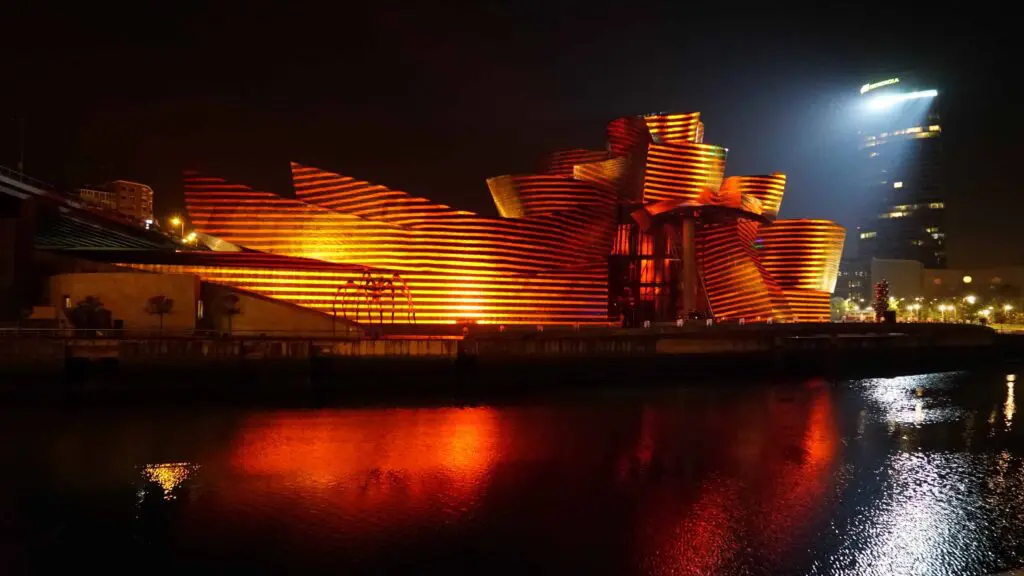
Шоу видеомэппинга “Reflections”, прошедшее в Музее Гуггенхайма в Бильбао в 2017 году, было приурочено к 20-летию музея и превратило его фасад в яркое световое полотно, рассказывающее историю с помощью динамичных визуальных образов, гармонично сочетающихся с музыкальным сопровождением. Это наглядно демонстрирует, как динамичное повествование может оживить исторические фасады или создать интерактивные сюжеты, реагирующие на окружающую обстановку.
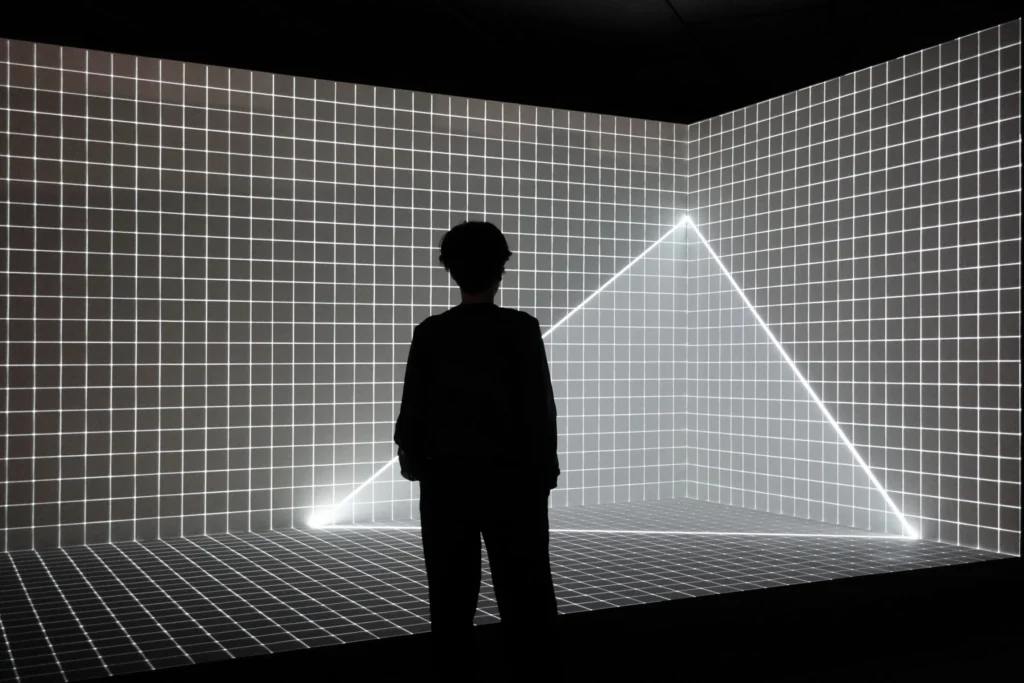
Современные художники предлагают уникальные подходы к этому виду искусства. Даниэль Каногар в своих работах в жанре Видеомэппинга он использует устаревшие технологии, такие как кассеты VHS, 35-миллиметровую пленку и жесткие диски, уделяя особое внимание темам памяти и утраты. CHiKA, японский художник, проживающий в Нью-Йорке, сочетает Видеомэппинг с японскими омофонами, чтобы побудить зрителей искать скрытый смысл в геометрических фигурах. Джоани Лемерсье, французский художник, с 2006 года работает с проецируемым светом и создает инсталляции для музыкальных фестивалей и музеев, исследуя геометрические узоры и минималистские формы, призванные влиять на восприятие зрителем пространства.
Художники часто синхронизируют свет с пространственным звуком, а порой и с едва уловимой дымкой, чтобы усилить ощущение, будто само пространство оживает, создавая иммерсивные визуальные эффекты, которые оставляют неизгладимое впечатление.
Как создать художественную инсталляцию с использованием Видеомэппинга?
Создание инсталляции Искусства проекции предполагает четко организованный рабочий процесс от первого эскиза до премьеры. Наиболее продуктивные творческие процессы позволяют художникам как можно дольше работать непосредственно с физической скульптурой, прибегая к быстрым тестовым версиям вместо того, чтобы сначала тратить месяцы на моделирование всего в 3D.
Шаг 1: Выбор и подготовка физического холста
Художники выбирают холсты, имеющие явную концептуальную связь с их темами — например, используют фрагментированную бетонную колонну для исследования тем памяти и распада.
К распространенным типам поверхностей относятся:
- Гладкие стены музея, напоминающие галереи в стиле модернизма 1960-х годов
- Резные каменные фасады ратуш XIX века
- Сварные металлические скульптуры с ярмарок современного искусства
- Временные инсталляции из пенопласта и картона, созданные в студии
Практическая проверка включает в себя оценку конструктивной безопасности, наличие точек крепления для проекторов, возможность затемнения помещения, а также получение разрешения от кураторов. Создание карты поверхности предполагает сканирование или фотографирование трехмерной поверхности для создания цифрового шаблона. Подготовка, как правило, включает в себя очистку поверхности, при необходимости окрашивание чрезмерно отражающих участков в матовый белый цвет, а также разметку фиксированных точек установки проекторов.
Шаг 2: Разработка концепции и визуальный язык
Художники переходят от тематических идей — времени, экологии, памяти, городской жизни — к визуальному языку форм, цветов и динамических контуров. Создание модных коллажей на основе фотографий, исторических произведений искусства и работ пионеров цифрового искусства помогает конкретизировать задуманное.
Видеомэппинг по своей сути предполагает повествование, построенное на временной последовательности. Художники планируют последовательности, включающие введение, трансформацию, кульминацию и спокойное завершение. Акцент делается не на совершенстве, а на экспериментах — на проецировании быстрых прототипов непосредственно на скульптуру, а не на бесконечном редактировании без возможности увидеть физический результат.
Шаг 3: Быстрое прототипирование непосредственно на скульптуре
Трудно переоценить творческие преимущества, которые дает возможность сразу же проецировать черновые эскизы и генеративные узоры на реальный объект. HeavyM позволяет реализовать следующий рабочий процесс: художник устанавливает проектор, обводит контуры объекта с помощью интуитивно понятного интерфейса «перетаскивания», а затем просматривает более 100 встроенных визуальных эффектов, чтобы увидеть, как свет взаимодействует с формой.
Такая “на месте” экспериментация контрастирует с написанием пользовательских шейдеров или построением сетей узлов перед тестированием на месте, что приводит к длительным циклам обратной связи. Многие художники за один день проводят десятки быстрых экспериментов — меняя цветовые палитры, скорости и параметры, реагирующие на звук, — поскольку им не нужно писать код.
Шаг 4: Техническое планирование и выбор оборудования
Технические решения влекут за собой художественные последствия. Для создания инсталляции с использованием Видеомэппинга к основному оборудованию относится: мощный проектор, медиасервер или компьютер для запуска программное обеспечение для видеомэппинга, а также, возможно, дополнительные устройства, такие как датчики и камеры, для взаимодействия с аудиторией.
К ключевым техническим решениям относятся:
ФАКТОР | РАССМОТРЕНИЕ |
|---|---|
Яркость | 5 000–7 000 люмен для темных галерей; 10 000 и более — для светлых атриумов |
Расстояние броска | Зависит от размера помещения и типа объектива |
Объем покрытия | Количество проекторов, необходимое для полного видеомэппинга поверхности |
Смешивание | Плавная сглаживание границ при использовании нескольких проекторов |
Смешивание и маскирование — это ключевые техники в видеомэппинге, которые обеспечивают плавный переход изображения между несколькими проекторами и поверхностями: смешивание сглаживает края перекрывающихся проекций, а маскирование скрывает ненужные области. Для деформации цифрового контента с целью его идеального приведения в соответствие с физической геометрией объекта используется специализированное программное обеспечение.
Шаг 5: Видеомэппинг на месте, репетиция и доработка
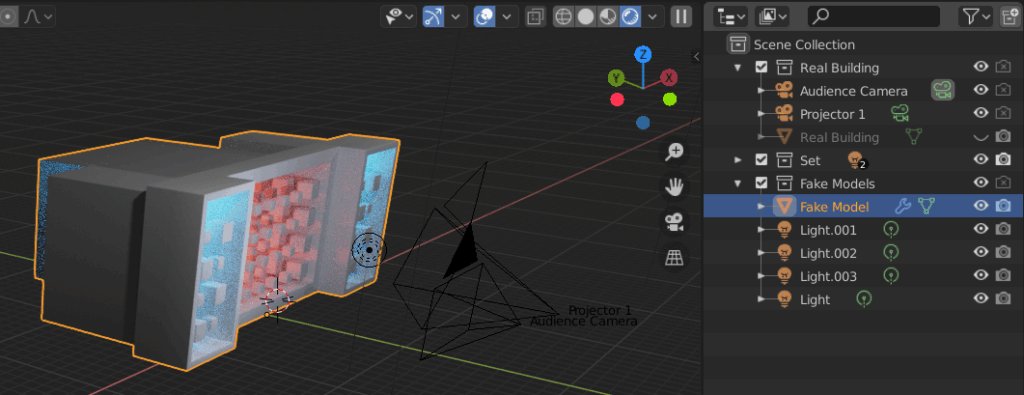
В первую ночь в галерее проводятся пробные проекции и окончательная настройка Видеомэппинга. Работы включают в себя выравнивание проекторов, корректировку трапецеидального искажения и деформации изображения, создание полигонов Видеомэппинга, точно повторяющих контуры скульптуры, а также проверку линий обзора с ключевых точек обзора посетителей.
Видеомэппинг — это мощный метод проецирования на сложные поверхности, позволяющий художникам создавать точные 3D-модели поверхности проецирования, чтобы идеально адаптировать визуальный контент к её контурам и углам. Важны даже мелкие настройки — замедление определённых анимаций, смягчение контраста на тонких текстурах и синхронизация визуальных переходов с аудиосигналами. Предварительный просмотр в реальном времени в HeavyM позволяет принимать творческие решения в последнюю минуту без необходимости перекомпиляции патчей.
Почему проекции цифрового искусства вызывают такое сильное ощущение погружения?
Иммерсия возникает, когда посетители чувствуют себя окружёнными светом, звуком и пространством, забывая о границах помещения. Видеомэппинг можно использовать для создания иммерсивных выставок, благодаря чему всё помещение становится частью Цифрового искусства. Иммерсивные среды позволяют заменить стены динамичными декорациями или создавать цифровые пейзажи с обзором на 360 градусов в театрах или галереях.
Иммерсивная выставка цифрового искусства “Borderless World” от teamLab в Токио занимает площадь 10 000 квадратных метров и представляет более 50 инсталляций, работающих на базе 520 компьютеров и 470 проекторов, которые создают динамичную вселенную, где искусство и зрители плавно сливаются воедино. Это наглядно демонстрирует, как видеомэппинг может повысить вовлеченность зрителей, превращая физические пространства в иммерсивные интерактивные истории.
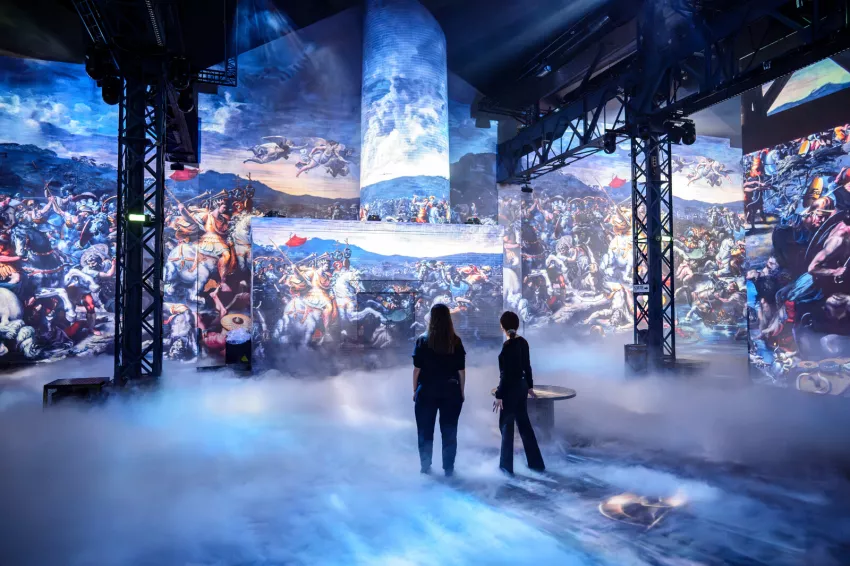
Музеи и галереи всё чаще используют технологию Видеомэппинга для оживления своих экспозиций, создавая иммерсивные опыты, которые просвещают и вдохновляют посетителей, как видно на примере Ренессанс выставка в Ателье Люмьер в Париже.
Роль звука и аудиореакции в реальном времени
Звуковое оформление служит основой для движущихся изображений и усиливает эмоциональное воздействие. Безупречно интегрированное решение от HeavyM аудиореакция в реальном времени позволяет визуальным эффектам мгновенно реагировать на музыку, полевые записи или Живое выступление без ручной настройки ключевых кадров.
К типичным проявлениям аудиореактивного поведения относятся:
- Линии, вибрирующие под удары баса
- Системы частиц, расширяющиеся с нарастанием интенсивности
- Цветовые палитры, меняющиеся в такт вокальным гармониям
Благодаря такой тесной взаимосвязи между звуком и изображением даже небольшие галерейные инсталляции создают такое же ощущение полного погружения, как и крупномасштабные произведения уличного искусства на музыкальных фестивалях.
Свет, тень и тело зрителя
Художники целенаправленно используют контраст, темноту и силуэты зрителей, чтобы усилить ощущение присутствия. Инсталляции, в которых посетители отбрасывают тени на проекцию, превращают их в временные элементы произведения искусства. Освещая только отдельные части помещения и оставляя остальные в темноте, художники создают ощущение глубины, таинственности и открытий, которые зрители испытывают, перемещаясь по помещению.
Генеративное искусство против статичного видео: почему контент в режиме реального времени имеет значение
В ранних проектах по Видеомэппингу (примерно в 2005–2012 годах) в основном использовался заранее подготовленный видеоконтент, тогда как многие современные работы ориентированы на генеративные системы, работающие в режиме реального времени. Статичное видео предсказуемо, но фиксировано, в то время как генеративное искусство может бесконечно варьироваться, благодаря чему даже длительные выставки остаются актуальными.
Статические временные шкалы: где они по-прежнему остаются незаменимыми
Предварительно отрендеренное видео по-прежнему остается идеальным решением для повествовательных работ, требующих точного управления кадр за кадром — например, короткометражных фильмов, проецируемых на скульптуры, или синхронизированных театральных сцен. 10-минутный циклический ролик, пересказывающий историческое событие через тщательно проработанные в сториборде эпизоды, обеспечивает предсказуемое воспроизведение и предъявляет более простые технические требования. Даже в формате HeavyM художники могут сочетать статичные видеоролики с эффектами в реальном времени.
Генеративные системы в реальном времени: бесконечные вариации
Генеративные визуальные эффекты подходят для многонедельных или постоянных инсталляций, где постоянные посетители могут каждый раз наслаждаться новыми вариантами отображения. В качестве практических входных данных, определяющих поведение генеративной системы, могут выступать уровень шума в галерее, данные датчиков, время суток или звуки живых инструментов во время живых выступлений.
HeavyM предлагает библиотеку из более чем 100 встроенных визуальных эффектов — волны, частицы, геометрические искажения, органические узоры — которые можно модулировать в режиме реального времени без программирования. Художники могут создавать работы, в которых узоры закручиваются быстрее по мере того, как в помещении становится шумнее, используя протоколы, такие как OSC или MIDI.
Проекции интерактивного цифрового искусства в современных галереях
Инновационные инсталляции с использованием видеомэппинга превращают зрителя из пассивного наблюдателя в активного участника. Интерактивные элементы в видеомэппинге позволяют зрителям самим создавать контент, благодаря чему впечатления от просмотра становятся более персонализированными.
Типичные установки включают камеры слежения за движением, напольные датчики давления и датчики приближения. Видеомэппинг позволяет создавать интерактивные публичные художественные инсталляции, вовлекающие зрителей. Видеомэппинг используется на живых мероприятиях, включая концерты и фестивали, для обогащения дизайна сцены; ярким примером этого является тур ISAM Live Амона Тобина, в котором видеомэппинг был интегрирован в само выступление. В перформативном искусстве видеомэппинг может применяться для создания интерактивных фоновых декораций для театральных постановок и концертов.
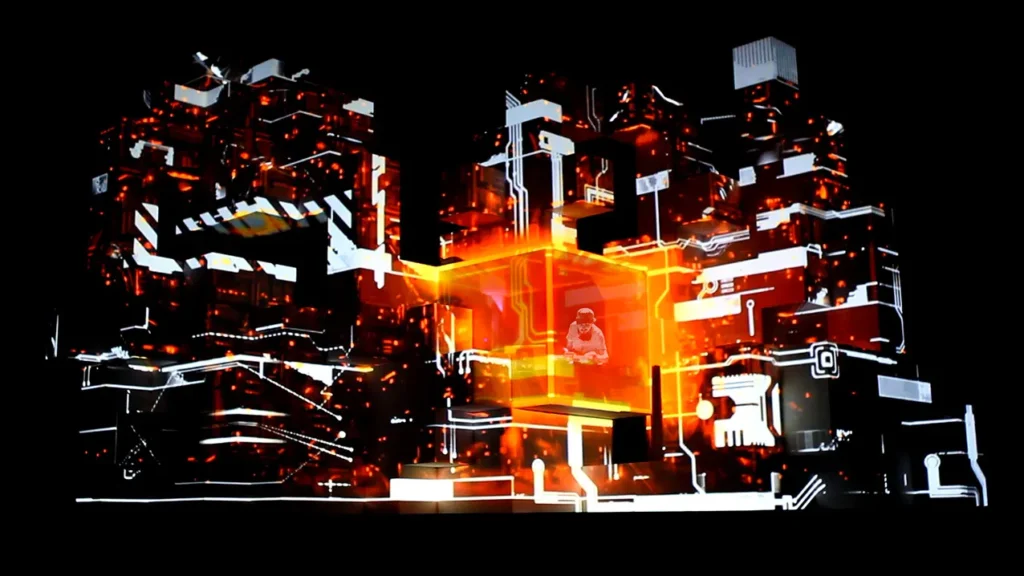
HeavyM взаимодействует с интерактивными системами через протоколы OSC, MIDI, Art-Net/DMX и Syphon/Spout, реагируя на данные с датчиков или синхронно управляя освещением и звуком.
Творческий процесс: от экспериментов в студии до открытия выставки
Многие художники отдают предпочтение рабочим процессам, позволяющим быстро переключаться между созданием эскизов, прототипированием и обсуждением с кураторами, вместо того чтобы на месяцы погружаться в программирование. Типичные сроки: разработка концепции за шесть месяцев до открытия, первые тесты на месте за три недели до открытия, окончательная доработка в последние 48 часов.
Сохранение динамики: как не увязнуть в технических деталях
Художники могут тратить месяцы на изучение программных сред, отладку патчей и поиск обновлений программного обеспечения вместо того, чтобы совершенствовать свой визуальный язык. Такие инструменты, как TouchDesigner и Макс являются весьма эффективными, но для достижения надежности, необходимой для выступлений на соревнованиях, часто требуют многолетней практики.
HeavyM’Философия HeavyM позволяет добиваться мгновенных результатов прямо на стене, поэтому эксперименты с светом и формой происходят не только на экране ноутбука. Художники, переходящие в середине проекта с рабочих процессов, основанных на интенсивном использовании кода, на подход HeavyM, часто обнаруживают, что могут ежедневно дорабатывать композиции прямо перед скульптурами.
Сотрудничество с кураторами, звукорежиссерами и техническими специалистами
Художники, занимающиеся видеомэппингом, координируют свою работу с командами галерей посредством совместных тестирований и четкой коммуникации. Типичный рабочий процесс включает в себя представление ранних концептуальных презентаций с эскизами, тестовые вечера для кураторов в середине процесса, а также заключительные технические репетиции с полной проверкой звука, освещения и мер безопасности.
HeavyM’Благодаря простому интерфейсу даже сотрудники, не обладающие техническими знаниями, могут давать конкретные замечания, наблюдая за корректировками в режиме реального времени. Документация — списки реп, монтажные схемы, резервные носители — по-прежнему играет важную роль.
Внесение изменений в ходе проведения выставки
Проекция цифрового искусства может продолжать развиваться и после открытия выставки. Художники выделяют время, когда в зале мало посетителей, чтобы подкорректировать цветовые схемы, изменить параметры генеративных алгоритмов или уточнить пороги реакции на звук с учетом наблюдений за поведением посетителей. С помощью HeavyM, изменения можно вносить, не затрагивая исходные файлы с контентом.
Подготовка к выставке: освещение, устойчивость и долговечность
Инсталляции, предназначенные для длительной экспозиции в галереях, должны быть технически надежными: стабильными, безопасными и простыми в перезапуске. Система HeavyM обеспечивает надежное управление шоу, позволяя при этом вносить творческие изменения между сеансами.
Управление естественным освещением в галереях и музеях
Освещение окружающей среды существенно влияет на насыщенность цветов, детализацию теней и контрастность.
Стратегии регулирования освещения:
- Шторы, полностью закрывающие окна
- Регулировка яркости потолочных светильников
- Нейтральные краски для стен
- Сведение к минимуму отражений от стекла или полированных полов
Историческая галерея, которую невозможно полностью затемнить, требует использования проекторов с более высокой яркостью и адаптированного дизайна контента по сравнению с проектным пространством типа «черный ящик», созданным специально для светового искусства.
Обеспечение долгосрочной стабильности и технического обслуживания
Для шоу, которые идут неделями или месяцами, важно, чтобы оборудование работало бесперебойно без вмешательства оператора.
К основным методам относятся:
- Надежное крепление и прокладка кабелей
- Защита от перенапряжения
- Надлежащая вентиляция
- Плановая очистка фильтра или проверка лампы проектора
- Клонированные носители на резервных дисках
- Запасные кабели и второй настроенный ноутбук
Доступность, безопасность и организация потока посетителей
Компоновка помещения, углы проекции и уровень шума влияют на комфорт посетителей. Безопасная прокладка кабелей, размещение проекторов вне зон прохода и отсутствие ярких мигающих эффектов обеспечивают безопасность посетителей. Тщательно продуманная организация потока посетителей — четко обозначенные входы, постепенное нарастание интенсивности, спокойные зоны выхода — улучшает впечатления от посещения и обеспечивает сохранность произведений искусства.
Видеомэппинг стал мощным инструментом в рекламе, позволяющим брендам создавать иммерсивные опыты, которые привлекают потребителей и вызывают ажиотаж.
Почему HeavyM — идеальный инструмент для художественных инсталляций с использованием Видеомэппинга
HeavyM полностью меняет подход к творческому процессу, обеспечивая профессиональный уровень управления установкой, который требует совершенно без программирования. Вместо того чтобы тратить недели на отладку программных патчей, художники используют инструменты для создания карт на основе векторных данных для мгновенного отслеживания скульптур нестандартной формы непосредственно с точки зрения проектора в галерее. Этот движок устраняет необходимость в использовании внешних видеоконтуров, предлагая интуитивно понятный интерфейс с функцией перетаскивания загруженный более 100 встроенных визуальных эффектов и продвинутый цепочка эффектов возможности. Чтобы превратить статичные галереи в живые пейзажи, нативные аудиореакция в реальном времени позволяет вашим пространственным фигурам органично пульсировать в такт звуковым ландшафтам или фоновым шумам музея, при этом вся экосистема безупречно взаимодействует с внешним интерактивным оборудованием, пультами управления освещением и датчиками глубины через стандартные протоколы, такие как OSC, MIDI, Art-Net/DMX, Syphon/Spout.
Для художников, кураторов и целеустремленных новичков
Практикующий художник, не обладающий обширным опытом в программировании, может в тот же день опробовать свои идеи на скульптуре, созданной в своей мастерской. Куратор галереи, планирующий программу в области медиа-искусства, может организовывать динамичные инсталляции без привлечения штатного программиста. Наконец, целеустремленный новичок может освоить основы видеомэппинга, практикуясь в игровой форме с использованием высококачественного оборудования.
Создание сложных художественных инсталляций с использованием Видеомэппинга доступно даже тем, кто не имеет подготовки в области информатики. HeavyM позволяет пользователям продвигаться от экспериментов с одним проектором на небольшом объекте до галерейных выставок с использованием нескольких проекторов в рамках одной экосистемы.
Заключение: Будущее художественных инсталляций с использованием Видеомэппинга
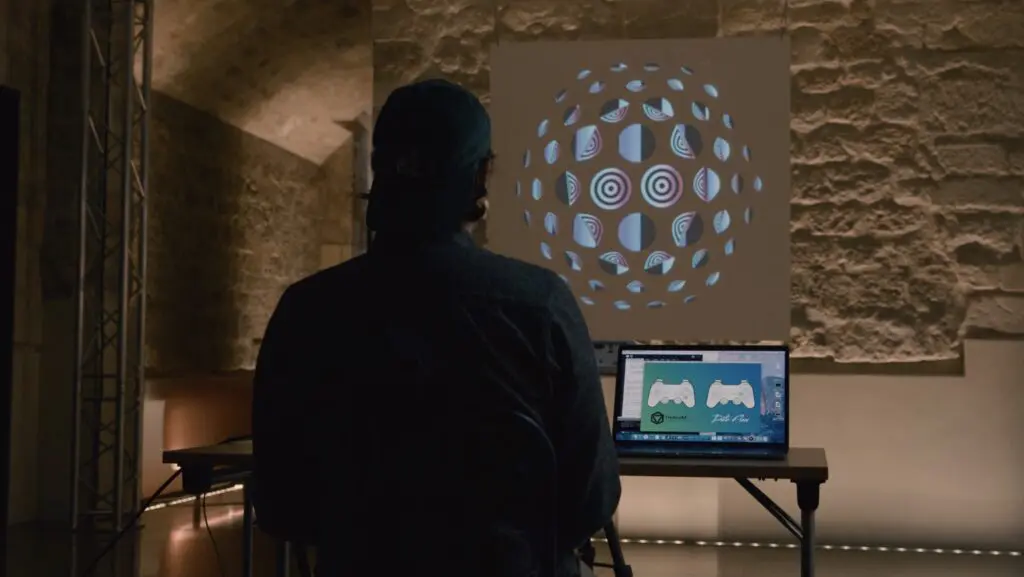
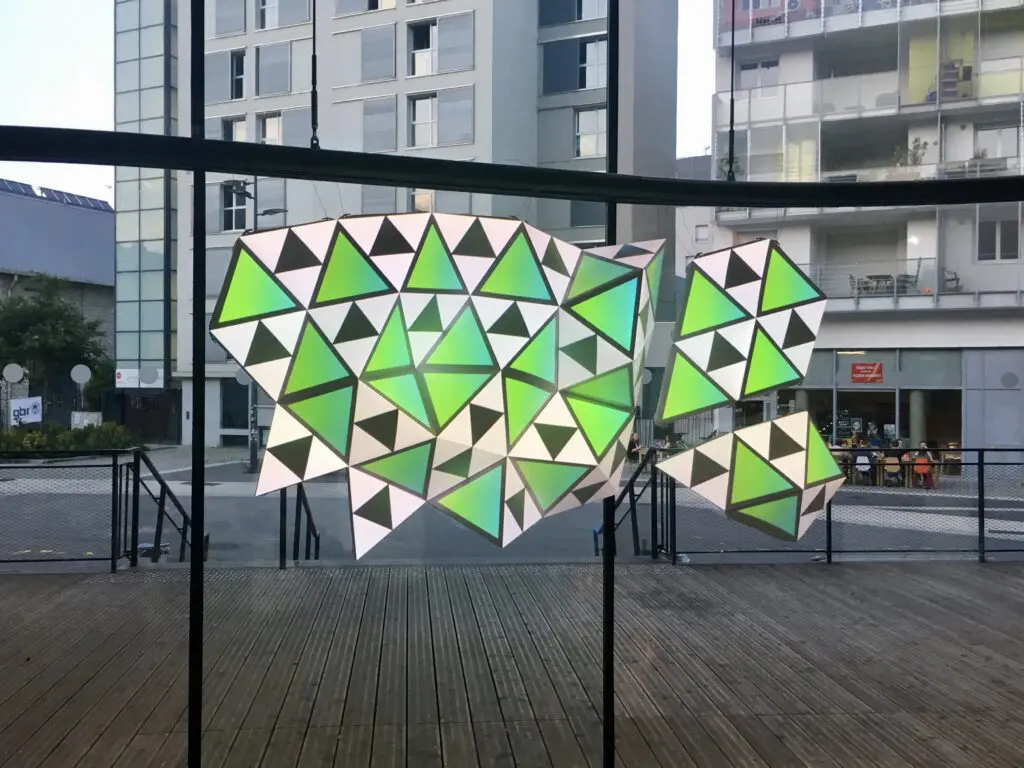
Художественные инсталляции с использованием видеомэппинга переосмысливают концепцию галерей, сочетая физические скульптуры и пространства с живым, динамичным светом, превращая архитектуру и статичные объекты в интерактивные произведения искусства, которые раздвигают границы возможного. Эта технология дарит зрителям по всему миру незабываемые впечатления и моменты — от уютных залов музеев Цифрового искусства до масштабных инсталляций, проецируемых на общественные здания под ночным небом. Ромен Астурик‘s Аудио-видео дистрибьютор (2018) является ярким примером такого практического подхода: интерактивная аудиовизуальная инсталляция, превращающая два контроллера PlayStation в полноценный музыкальный автомат, объединяющий диджеинг и VJing в единое Живое выступление. Созданная на основе HeavyM для видеомэппинга, Ableton Live для аудио, а также Обработка Благодаря входу для контроллера эта инсталляция позволяет зрителям напрямую управлять звуковыми петлями, визуальными эффектами и Видеомэппингом в режиме реального времени — каждое движение джойстика одновременно запускает аудиофильтры и генеративные визуальные эффекты, синхронизированные с BPM через MIDI.
Хотя системы с глубокой кодировкой всегда будут занимать своё место в авангардных экспериментах, многие художники и учреждения в настоящее время ищут инструменты, которые позволяют сосредоточиться на исследовании, повествовании и увлечении зрителей. HeavyM предлагает рабочий процесс проецирования в режиме реального времени, не требующий программирования, который идеально вписывается в эту перспективу — позволяя творцам быстро создавать прототипы, легко сотрудничать и организовывать стабильные долгосрочные выставки.
Начните с простой проекции на повседневный предмет. Узнайте, как проецируемый свет изменяет форму, как красота рождается из взаимодействия анимированных изображений и реальных поверхностей. Затем, по мере развития вашего творческого видения, переходите к полномасштабным галерейным инсталляциям — создавайте Иммерсивные опыты, которые преобразуют окружающий мир.
Готовы вдохнуть жизнь в свои скульптуры?
Барьер между вашим цифровым воображением и физическим холстом официально исчез. Вам больше не нужны инженерные знания или бюджет на привлечение сторонних программистов, чтобы создавать потрясающие цифровые инсталляции, которые надолго запомнятся вашей аудитории.
Скачать Бесплатная пробная версия HeavyM сегодня, наведите проектор на какой-нибудь повседневный предмет в своей студии и уже сегодня вечером испытайте чистую радость от проецирования Цифрового искусства без программирования.