

Video mapping vs. projection mapping: Welcher Begriff ist besser?
TL;DR
Zwar sind “video mapping” und “projection mapping” weitgehend synonyme Begriffe, die synonym verwendet werden, um die Technik zu beschreiben, mit der physische Objekte in dynamische Projektionsflächen verwandelt werden, doch spiegelt ihre Verwendung oft unterschiedliche berufliche Hintergründe wider. Beim video mapping stehen in der Regel die Erstellung visueller Inhalte, die künstlerische Erzählung und die VJ-Kultur im Vordergrund, während sich das projection mapping traditionell auf die Hardware-Konfiguration, die Spezifikationen der Projektoren und die architektonische räumliche Ausrichtung konzentriert. Unabhängig von der Terminologie setzen moderne Kreative auf intuitive, visuell orientierte Software, um die Lücke zwischen digitalen Videoinhalten und physischer Hardware nahtlos zu schließen, ohne dass komplexe Programmierung erforderlich ist.
Video mapping vs. projection mapping: Die wichtigsten Unterschiede
Der Hauptunterschied zwischen video mapping und projection mapping liegt eher in der semantischen Ausrichtung als in der technischen Umsetzung.
Die Terminologie des video mapping konzentriert sich auf die visuellen Inhalte und die kreativen Aspekte dieses Mediums. Wenn Fachleute diesen Begriff verwenden, legen sie in der Regel den Schwerpunkt auf Motion Graphics, Animationen und die erzählerischen Elemente, die das Publikum bei Live-Veranstaltungen und künstlerischen Darbietungen in ihren Bann ziehen.
Die Terminologie des projection mapping legt den Schwerpunkt auf die technische Hardware-Konfiguration und räumliche Aspekte. Dazu gehören die technischen Daten der Projektoren, die geometrische Kalibrierung sowie die präzise Ausrichtung der Bildinhalte auf die zu beleuchtende Struktur.
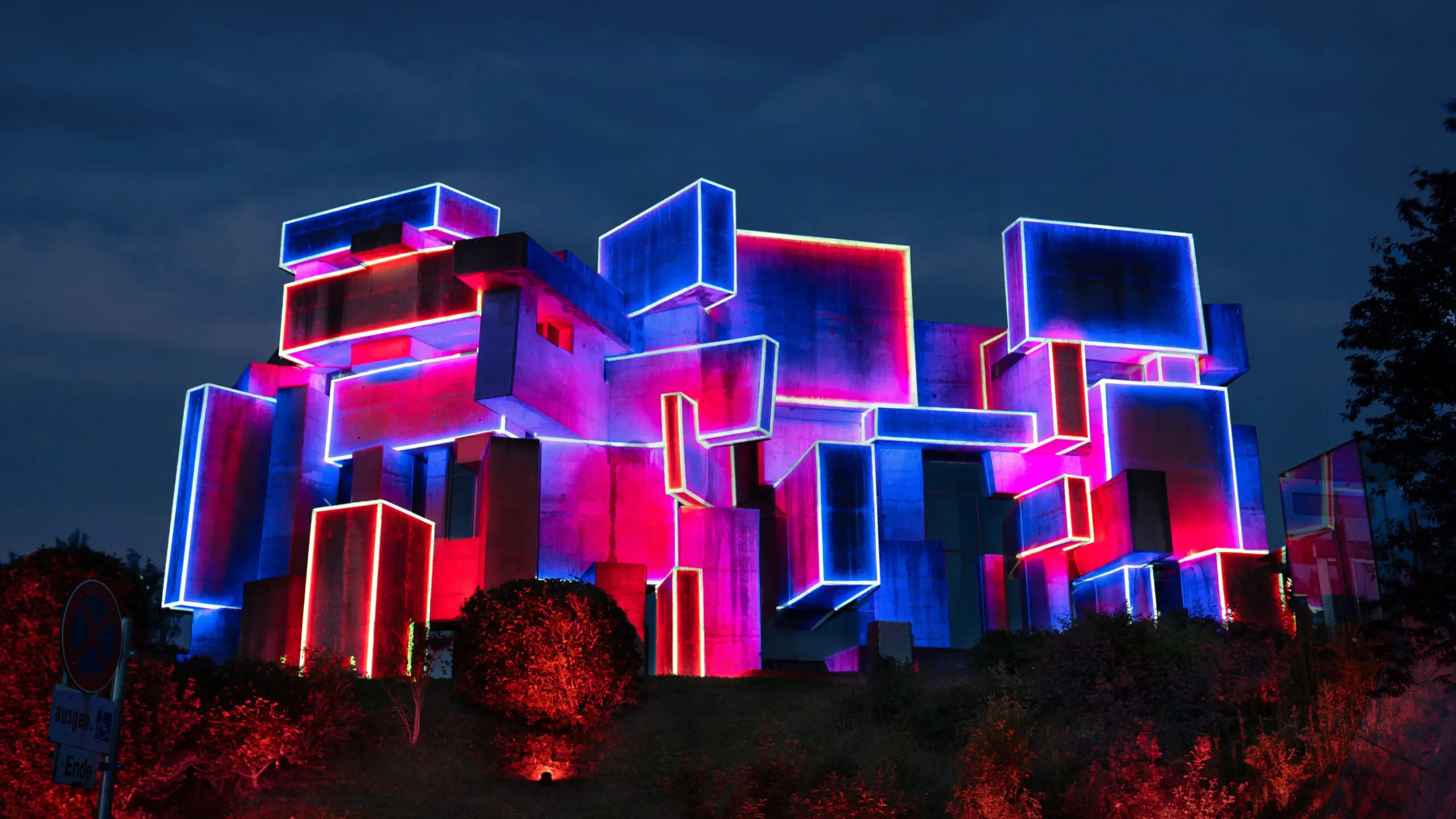
Beide Ansätze erfordern identische Ausrüstung, spezielle Software und Arbeitsabläufe. Video mapping erfordert eine fortgeschrittene Kalibrierung, Mesh-Warping und geometrische Korrekturen, während bei der einfachen Projektion lediglich eine Standard-Bildprojektion zum Einsatz kommt. Der wesentliche Unterschied zwischen video mapping und projection mapping liegt in der Beschaffenheit der Projektionsfläche: video mapping kann sich sowohl auf 2D- als auch auf 3D-Projektionen beziehen, während beim projection mapping insbesondere die Anpassung der visuellen Darstellungen an die physischen Merkmale des Objekts im Vordergrund steht, auf das projiziert wird.
Sowohl video mapping als auch projection mapping können gewöhnliche Strukturen in dynamische Projektionsflächen verwandeln und so bisher statische Objekte zu immersiven Erfahrungen machen.
Ursprung und Entwicklung der Terminologie
Beide Begriffe entstanden aus unterschiedlichen Branchenperspektiven und sind jeweils mit spezifischen kulturellen und fachlichen Assoziationen verbunden, die bis heute fortbestehen.
Video mapping im Kulturerbe
Der Begriff “video mapping” geht zurück auf VJing, der digitalen Kunst- und Videokunst-Szene der 1990er Jahre. Bildende Künstler, die in Veranstaltungsorten für elektronische Musik und experimentellen Performance-Räumen tätig waren, entwickelten Techniken zur Projektion von Videos auf Oberflächen jenseits traditioneller Bildschirme.
Dieser Begriff steht in direktem Zusammenhang mit den Bereichen Motion Graphics, Animation und visuelle Effekte, in denen das “Video” selbst – also der visuelle Inhalt und die kreative Erzählung – im Mittelpunkt steht. Video mapping wird in der Unterhaltungsbranche häufig eingesetzt, um Live-Veranstaltungen wie Konzerte und Theateraufführungen zu bereichern und Theaterbühnen in dynamische Leinwände zu verwandeln, die mit Musik und Darbietungen synchronisiert sind.
Pioniere der Videokunst und Künstler der neuen Medienkunst setzten sich für diesen Begriff ein, da er ihren wesentlichen Beitrag hervorhob: die Schaffung fesselnder Videoclips, Computergrafiken und digitaler Inhalte, die Räume in vollkommen dynamische Umgebungen verwandeln konnten.
Projection mapping im Kulturerbe
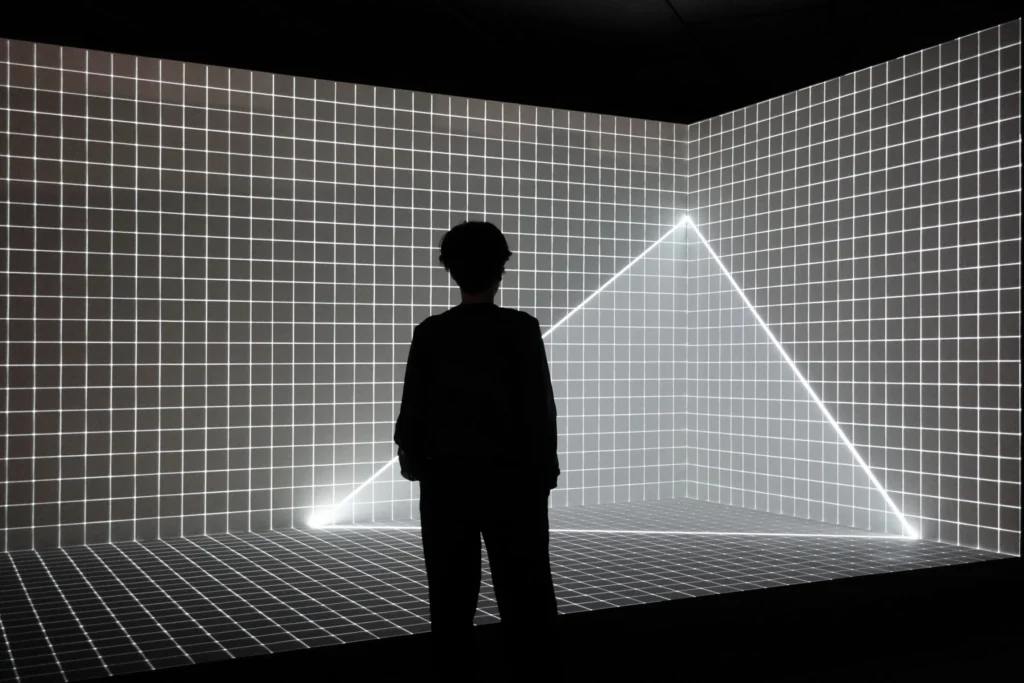
Projection mapping im Bereich des Kulturerbes steht in Verbindung mit den Branchen der Architekturprojektion, der Raumgestaltung und der AV-Integration. Diese Terminologie wurde von Fachleuten geprägt, deren Fachwissen sich auf Projektortechnologie, Lumen, Projektionsabstände und die für großflächige Projektionen erforderlichen technischen Spezifikationen konzentrierte.
Museumsinstallationen und Dauerinstallationen im öffentlichen Raum trugen zur Verbreitung dieses Begriffs bei, ebenso wie die Verbindung zu den Bereichen räumliche Augmented Reality und immersive Technologien. Projection mapping lässt sich in zwei Haupttechniken unterteilen: 2D- und 3D Mapping, wobei sich das 2D-Mapping auf ebene Flächen konzentriert und das 3D Mapping die Tiefe berücksichtigt, um auf jedem dreidimensionalen Objekt optische Täuschungen zu erzeugen.
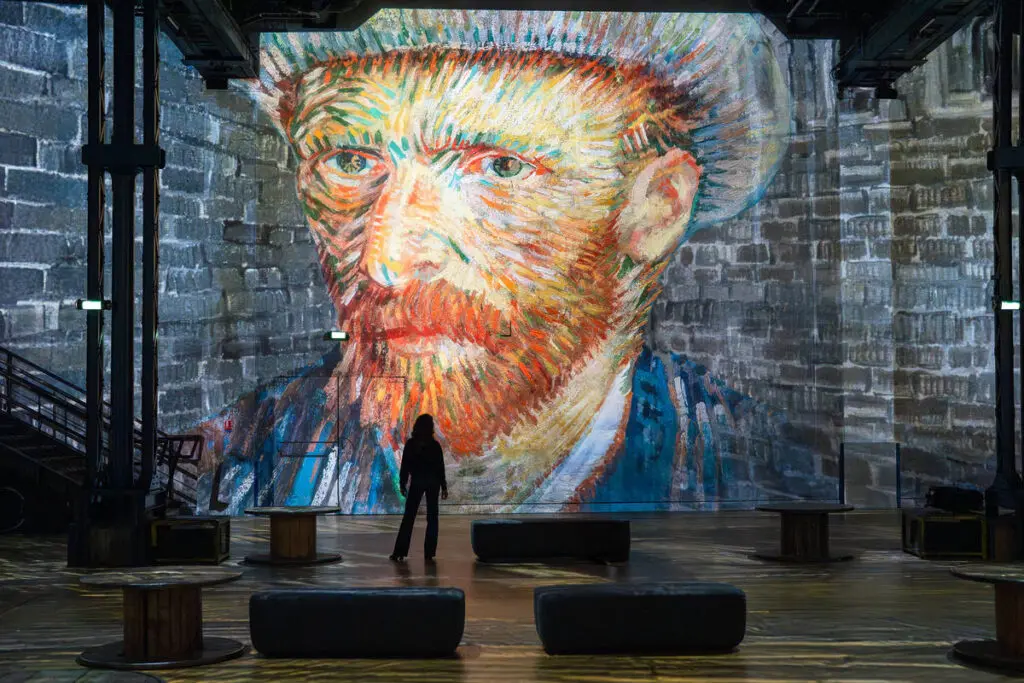
Beim 3D-Projection Mapping wird ein virtuelles Modell des Objekts erstellt, auf das projiziert werden soll, wodurch eine präzise Ausrichtung der projizierten Bilder auf die Merkmale des physischen Objekts ermöglicht wird. Diese technische Präzision wurde zum Markenzeichen des Projection Mapping-Ansatzes.
Regionale und branchenbezogene Nutzungsmuster
Geografische und branchenbezogene Faktoren beeinflussen die Terminologiepräferenzen erheblich und führen zu unterschiedlichen Mustern bei der Beschreibung der eigenen Arbeit durch Fachleute.
Europäische und kreative Märkte
Europäische Festivals, Kunstinstitutionen und Kreativagenturen bevorzugen eindeutig den Begriff “video mapping”. Diese Verwendung ist vorherrschend:
- VJing-Communities und Veranstaltungen im Bereich der elektronischen Musik
- Digitale Kunstszenen und immersive Museumsausstellungen
- Öffentliche Kunstinstallationen und kulturelle Veranstaltungen
- Interaktive Displays in Galerien und Veranstaltungsorten
Der Schwerpunkt liegt auf künstlerischem Ausdruck und visuellem Storytelling. Kunstinstallationen profitieren vom video mapping, indem sie immersive Erfahrungen bieten, die das Publikum zur Teilnahme einladen. So können mehr Künstler Galerien und öffentliche Räume in interaktive Kunstwerke verwandeln, die auf die Bewegungen der Betrachter reagieren.
Der Begriff „video mapping“ kann sich insbesondere auf Projekte beziehen, bei denen Projektionen mit anderen digitalen Medien wie beispielsweise LED-Wänden kombiniert werden, was den in den europäischen Kreativmärkten üblichen multimedialen Ansatz widerspiegelt.
Nordamerikanische Märkte und Unternehmensmärkte
Auf den nordamerikanischen Märkten – insbesondere bei Firmenveranstaltungen, architektonischen Installationen und AV-Unternehmen – wird der Begriff “projection mapping” bevorzugt. Diese Verwendung kommt vor allem in folgenden Bereichen zum Tragen:
- Firmenveranstaltungen und Produkteinführungen
- Freizeitparks und Einkaufserlebnisse
- Kommerzielle Anwendungen und Markenaktivierungen
- Technische Dokumentation und Hardware-Spezifikationen
Der Schwerpunkt liegt auf technischen Spezifikationen und Hardware-Fähigkeiten. In der Werbung nutzen Marken das video mapping, um faszinierende visuelle Darstellungen zu schaffen, bei denen atemberaubende Bilder auf Gebäude und andere Bauwerke in Weltstädten wie den in der Berichterstattung der „New York Times“ vorgestellten projiziert werden, wodurch gewöhnliche Räume effektiv in außergewöhnliche Werbeplattformen verwandelt werden.
Bei Großproduktionen werden projection mapping und video mapping häufig kombiniert eingesetzt, um 3D-Effekte an architektonischen Strukturen zu erzeugen; dies wird als “3D-Videomapping” oder einfach als “3D-Projektionsmapping” bezeichnet.”
Technische Umsetzung: Fokus auf Inhalte oder auf die Hardware?
Beide Ansätze erfordern eine nahtlose Integration von Content-Erstellung und Videoprojektionstechnik, um den gewünschten Effekt zu erzielen.
Videozentrierter Arbeitsablauf
Der videozentrierte Ansatz legt den Schwerpunkt auf die Erstellung von Inhalten in der Vorproduktion, das Motion-Graphics-Design und visuelle Effekte. Bei diesem Arbeitsablauf stehen folgende Aspekte im Vordergrund:
- Erstellung ansprechender Animationen und Videoinhalte vor der Installation
- Visuelle Bearbeitung in Echtzeit und audio-reaktive Inhalte für Live-Performances
- Kreative Software-Integration und Ansätze der visuellen Programmierung
- Entwicklung visueller Inhalte, die Geschichten erzählen oder zusätzliche Dimensionen schaffen
Video mapping findet zunehmend Anwendung im Bildungsbereich, wo es das Lernerlebnis bereichert, indem interaktive visuelle Inhalte in den Unterricht integriert werden und so komplexe Konzepte leichter verständlich gemacht werden. Schulungen profitieren ebenso von diesem „Content-First“-Ansatz wie künstlerische Darbietungen, bei denen die Erzählung die technischen Entscheidungen bestimmt.
Video mapping wird in der Regel bei 3D-Objekten, komplexen Fassaden oder sich bewegenden Oberflächen eingesetzt, während projection mapping auf flachen 2D-Wänden angewendet werden kann – obwohl beide letztlich auf derselben zugrunde liegenden Technologie basieren.
Projektionsorientierter Arbeitsablauf
Der projektionsorientierte Ansatz legt den Schwerpunkt auf die Standortvermessung, die Projektorspezifikation und die geometrische Kalibrierung. Bei diesem Arbeitsablauf stehen folgende Aspekte im Vordergrund:
- Analyse der Projektionsfläche sowie aller gekrümmten Flächen oder unregelmäßig geformten Elemente
- Konfiguration der xyz-Ausrichtung des Projektors und Ermittlung des optimalen Aufstellungsortes
- Kantenüberblendung und Verzerrung – zwei grundlegende Techniken, die dazu beitragen, nahtlose Bilddarstellungen zu erzielen, indem Inhalte an die Konturen der Anzeigefläche angepasst werden
- Synchronisation mehrerer Projektoren mithilfe von leistungsstarke Projektoren für komplexe Industrielandschaften
Video mapping wird auch in der Architektur eingesetzt, um interaktive Erlebnisse für die Gebäudenutzer zu schaffen und statische Wände und Fassaden in dynamische Projektionsflächen zu verwandeln. Dies erfordert eine präzise technische Planung, die vom Verständnis der baulichen Gegebenheiten bis hin zur Kalibrierung jedes einzelnen Pixels auf der Oberfläche reicht.
Anforderungen an Software und Ausrüstung
Beide Begriffe erfordern identische technische Lösungen, obwohl sich die Branche in den letzten Jahren erheblich weiterentwickelt hat.
Traditionelle professionelle Lösungen
Für die Umsetzung hochwertiger visueller Shows – ob man sie nun als „video mapping“ oder „projection mapping“ bezeichnet – waren bislang teure Medienserver und komplexe, maßgeschneiderte Software erforderlich.
Zu den Einschränkungen herkömmlicher Arbeitsabläufe gehören:
- Umfangreiche technische Fachkenntnisse für die Konfiguration von Medienservern sind erforderlich
- Hohe Kostenbarrieren, die aufstrebende Kreative von projection mapping-Projekten ausschließen
- Komplexe Herausforderungen, die eine monatelange Fachausbildung erfordern
- Lange Produktionszeiten selbst bei einfachen Video-Mapping-Projektionsinstallationen
Bei Großveranstaltungen können die Kosten für projection mapping-Dienstleistungen bis zu $10.000 USD oder mehr pro Minute 3D-Videoinhalte betragen, zusätzlich zu den Kosten für Projektoren, Medienserver und Festplatten. Die Komplexität eines projection mapping-Projekts, die Qualität der verwendeten Ausrüstung sowie die Dauer und der Umfang der Veranstaltung wirken sich erheblich auf den Gesamtpreis aus.
Viele Kreative mieden dieses Medium aufgrund dieser technischen Hürden gänzlich, selbst wenn sie die kreativen Möglichkeiten begeisterten.
Moderne universelle Lösungen
HeavyM gilt als das absolut Beste universelle Softwarelösung für Digitalkünstler, VJs und Veranstaltungsplaner, da es die Welt der Videos und der Projektionen nahtlos miteinander verbindet und dabei absolut keine Programmierung. Anstatt sich mit komplexen Medienserver-Konfigurationen herumzuschlagen, nutzen die Urheber einen intuitive Drag-and-Drop-Oberfläche to perform mapping of physical geometry in seconds, immediately solving the content creation problem by filling their workspace with über 100 integrierte visuelle Effekte. Die native Funktion der Software Echtzeit-Audio-Reaktivität stellt sicher, dass Ihre visuelle Erzählung dynamisch auf die Musik reagiert und gleichzeitig über fortschrittliche Protokolle, darunter OSC, MIDI, Art-Net/DMX, Syphon/Spout.
Professionelle Anwendungen und Anwendungsfälle
Die Wahl der Terminologie spiegelt oft den primären Anwendungsschwerpunkt wider, obwohl beide Begriffe in allen Anwendungsfällen identische technische Funktionen beschreiben.
Sowohl video mapping als auch projection mapping werden eingesetzt, um immersive Erfahrungen zu schaffen, doch beim video mapping steht häufig die Aufwertung künstlerischer Darbietungen und Veranstaltungen im Vordergrund, während projection mapping häufig im architektonischen Kontext und bei öffentlichen Darstellungen zum Einsatz kommt. Zu den gängigen Anwendungsbereichen zählen:
- Live-Veranstaltungen und Konzerte: Bühnen in interaktive Umgebungen verwandeln, in denen visuelle Elemente in Verbindung mit Musik unvergessliche Erlebnisse schaffen
- Architektonische Installationen: Projektion des gewünschten Bildes auf Gebäudefassaden für Festivals, Feierlichkeiten und dauerhafte Installationen
- Unternehmenspräsentationen und Produkteinführungen: Schaffung fesselnder Markenerlebnisse, die Innovation demonstrieren
- Künstlerische Darbietungen: Bildenden Künstlern die Möglichkeit geben, virtuelle Programmumgebungen zu schaffen, die auf Bewegung und Geräusche reagieren
Video mapping wird eingesetzt, um kleine Objekte in Innenräumen zu beleuchten und so ein intimes Galerieerlebnis zu schaffen, während dieselbe Technik auch auf riesige Gebäudefassaden für stadtweite Festivals übertragen werden kann. Die Begriffswahl variiert oft je nach Projektart und den Erwartungen des Kunden – Kreativagenturen bevorzugen möglicherweise den Begriff “video mapping”, während AV-Unternehmen in der Regel von “projection mapping” sprechen.”
Video-Mapping vs. projection mapping: Was sollten Sie wählen?
Wählen Sie die Terminologie eher anhand Ihrer Zielgruppe und des branchenbezogenen Kontexts aus als anhand technischer Unterschiede.
| TERMINOLOGIE IM FOKUS | PRIMÄRINDUSTRIE & REGION | SCHWERPUNKT | TYPISCHER ANWENDUNGSFALL |
|---|---|---|---|
| Video Mapping | Europäische Märkte, Kreativagenturen, VJs | Visuelle Inhalte, künstlerischer Ausdruck, digitale Animation | Kunstinstallationen, Festivals für elektronische Musik, Museumsausstellungen |
| Projektion Mapping | Nordamerikanische Märkte, AV-Integratoren | Hardware-Implementierung, Projektorspezifikationen, technische Ausrichtung | Firmenveranstaltungen, Gebäudefassaden, Freizeitparks |
Unabhängig davon, welche Bezeichnung man bevorzugt, hängt der Erfolg von einer zuverlässigen video mapping software ab, die die Erstellung von Videoinhalten und die Geometrie des projection mapping nahtlos miteinander verbindet. Die Technik – das Projizieren von Bildern auf zuvor statische Objekte, um optische Täuschungen zu erzeugen und jede Oberfläche in ein dynamisches Display zu verwandeln – bleibt dieselbe, ganz gleich, ob man sie als video mapping, projection mapping oder räumliche Augmented Reality bezeichnet.
Am wichtigsten ist es, die richtigen Werkzeuge auszuwählen, um Ihre kreative Vision zum Leben zu erwecken, digitale Inhalte mit dem physischen Raum zu verbinden, das Publikum zu fesseln und wirklich immersive Erfahrungen zu schaffen.
Bist du bereit, deine Welt zu kartografieren?
Ob man es nun „video mapping“ oder „projection mapping“ nennt – das Ziel bleibt dasselbe: statische Objekte in atemberaubende, immersive visuelle Erlebnisse zu verwandeln. Um dies zu erreichen, braucht man weder teure Medienserver noch einen Abschluss in Informatik.
Machen Sie sich keine Gedanken mehr über Fachbegriffe und fangen Sie einfach an, kreativ zu sein. Herunterladen der HeavyM kostenlos testen heute, schließen Sie Ihren Projektor an und erwecken Sie Ihre kreativen Ideen innerhalb weniger Minuten zum Leben.